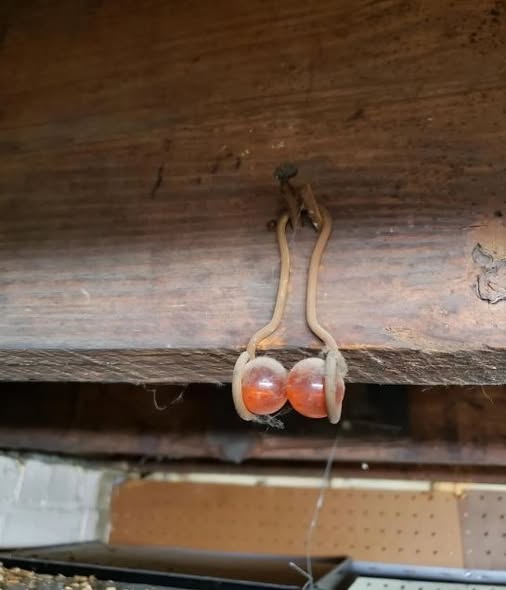
In a time when technology is obsessed with sleek design and speed, there’s a rare pleasure in rediscovering the quiet beauty of craftsmanship from the past. The antique marble razor knife sharpener is one such marvel — a relic that represents an era when utility met art, and the simplest objects were built to endure for generations. To hold one is to hold history, a reminder that even ordinary tools once carried an extraordinary sense of care and purpose.
These sharpeners, crafted in the late 19th and early 20th centuries, are masterpieces of both engineering and aesthetic design. Built with solid bases of wood or metal, they feature a steel rod or blade and, most distinctively, a glass or marble sphere that serves as the honing element. It’s this marble or glass ball that transforms the object from a mere tool into something remarkable — practical, yes, but also quietly elegant.
The craftsmanship behind these sharpeners reflects a mindset that feels almost foreign today. Each piece was designed to be both functional and beautiful, with artisans ensuring that even an everyday utility item carried a touch of refinement. The polished marble ball wasn’t just decorative — it offered a perfectly smooth surface, ideal for creating a fine, even edge on blades. The glass variants, often hand-blown, refracted light in soft hues, catching the eye and elevating a mundane task into something nearly ritualistic.
In kitchens and workshops across Europe and America, these tools were essential companions for barbers, chefs, and craftsmen. The sharpener worked by running the steel edge across the surface of the marble or glass ball in a precise motion, maintaining a consistent edge without stripping away too much metal. Unlike modern electric sharpeners, which rely on aggressive abrasives, this method prioritized finesse. The result was a razor or knife that remained durable and smooth — honed, not hacked.
Beyond their functionality, antique marble sharpeners are prized as decorative pieces. They add character to kitchens, studies, and workshops — a tangible link between eras. The subtle gleam of marble or the translucence of aged glass tells a silent story about the people who once used them daily, people who likely never imagined their tools would one day become collectible art.
Those who collect them often describe the fascination as addictive. Some hunt for rare versions — ones made by defunct European brands or with unique design variations. Others restore old pieces, polishing the marble and oiling the wood, bringing back the shine lost to decades of neglect. Each restored sharpener carries a whisper of the hands that once relied on it — a barber prepping for a shave, a chef readying knives for service, a craftsman perfecting his blade before carving wood.