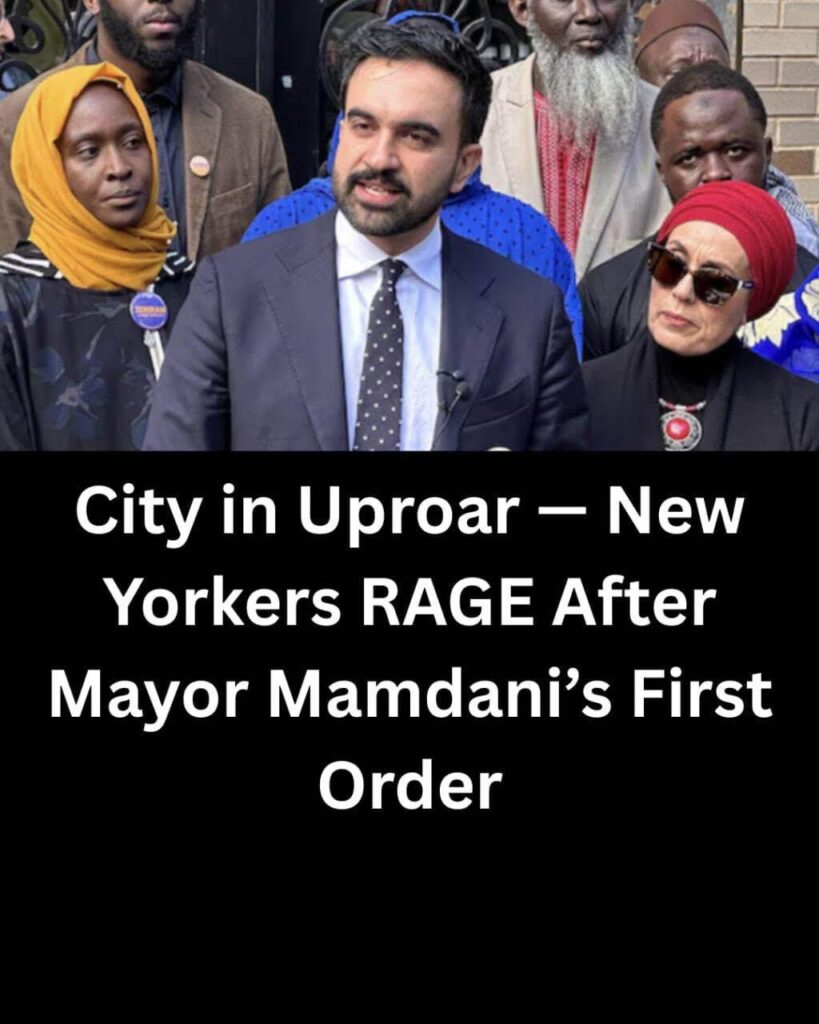
The city flinched before it fully understood what had happened. In a single afternoon, the quiet bargain between landlords and lawmakers snapped, and those used to pulling strings felt the ground shift beneath them.
A campaign line hardened into binding law. Phones lit up across penthouses, union halls, and legal aid offices. Smiles masked panic, threats masked fear, and everyone sensed the rules had changed.
As rent notices landed on cracked linoleum floors, a new reckoning took shape. This wasn’t policy by suggestion anymore; it was power being exercised, openly and without apology.
Zohran Mamdani never promised calm. He promised confrontation. His message was clear: the era of polite neglect was over, and the fight over housing would no longer happen in whispers.
By reviving the Mayor’s Office to Protect Tenants and placing organizer Cea Weaver at its helm, Mamdani turned a long-buried agency into a frontline weapon. It was a warning shot to landlords accustomed to indifference.
Harassment, vacancy games, and quiet displacement were no longer going to be ignored. The city, for once, was choosing a side in New York’s oldest conflict: who gets to stay, and who gets forced out.
Still, symbolism doesn’t pay rent. The LIFT Task Force’s search for public land and the SPEED Task Force’s push to cut permitting delays are high-stakes bets that New York can build without erasing its residents.
Mamdani has tied his future to a brutal test. If today’s subway riders still belong in tomorrow’s city, then this risky reordering of power will have been worth the upheaval.