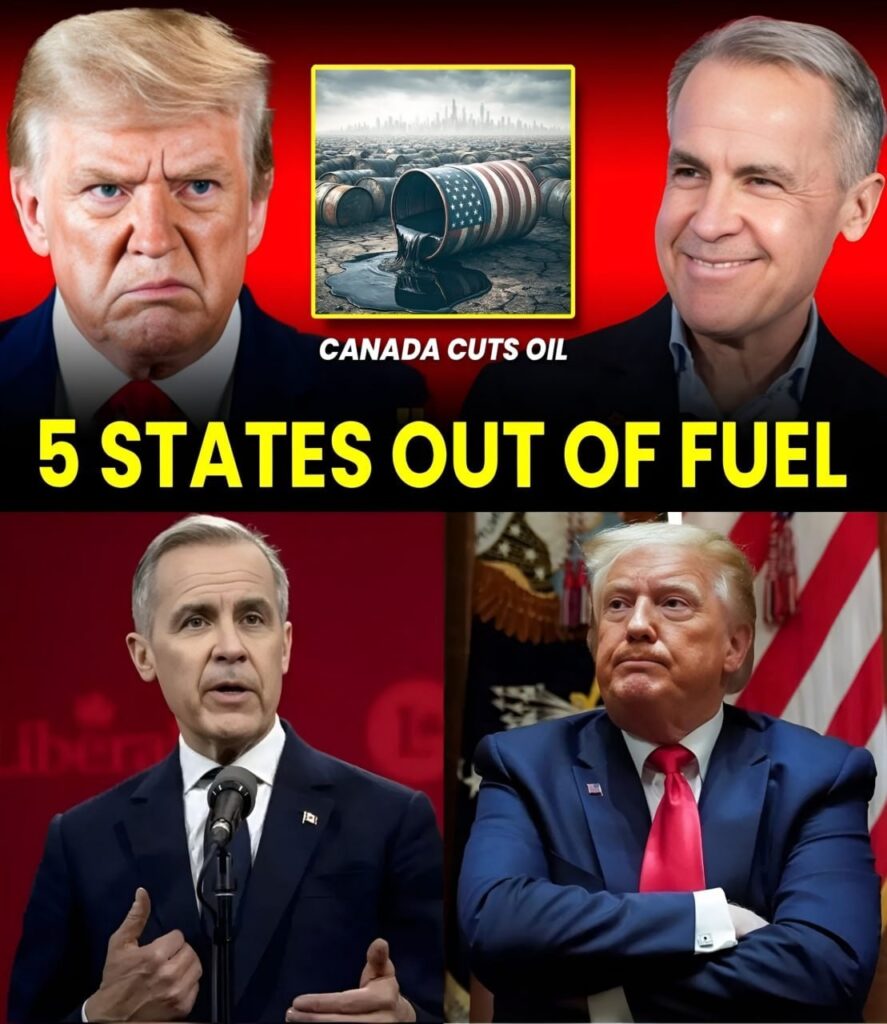
The first warning didn’t arrive as an alarm, but as a quiet delay on a shipping screen that soon spread into everyday life. Fuel deliveries stalled, gas stations emptied, and uncertainty rippled from the Midwest to the Northeast. There was no official emergency, only whispers of tightened supply and cross-border strain that moved faster than trucks ever could.
In towns and cities, the impact was immediate and human. Nurses struggled to reach hospitals, small business owners cut hours, truck drivers rerouted, and families recalculated every mile they could afford to drive. Lines at pumps grew tense, prices wobbled, and rumors filled the gaps left by cautious government statements. What seemed like a technical disruption quickly exposed how dependent daily life is on invisible systems few people ever think about.
Yet amid the anxiety, something else surfaced. Neighbors shared rides, rationed fairly, and organized carpools. Farmers pooled equipment, strangers helped at stations, and communities slowed down together. The disruption became a mirror, revealing both the fragility of modern supply chains and the quiet resilience of people when cooperation replaces fear.