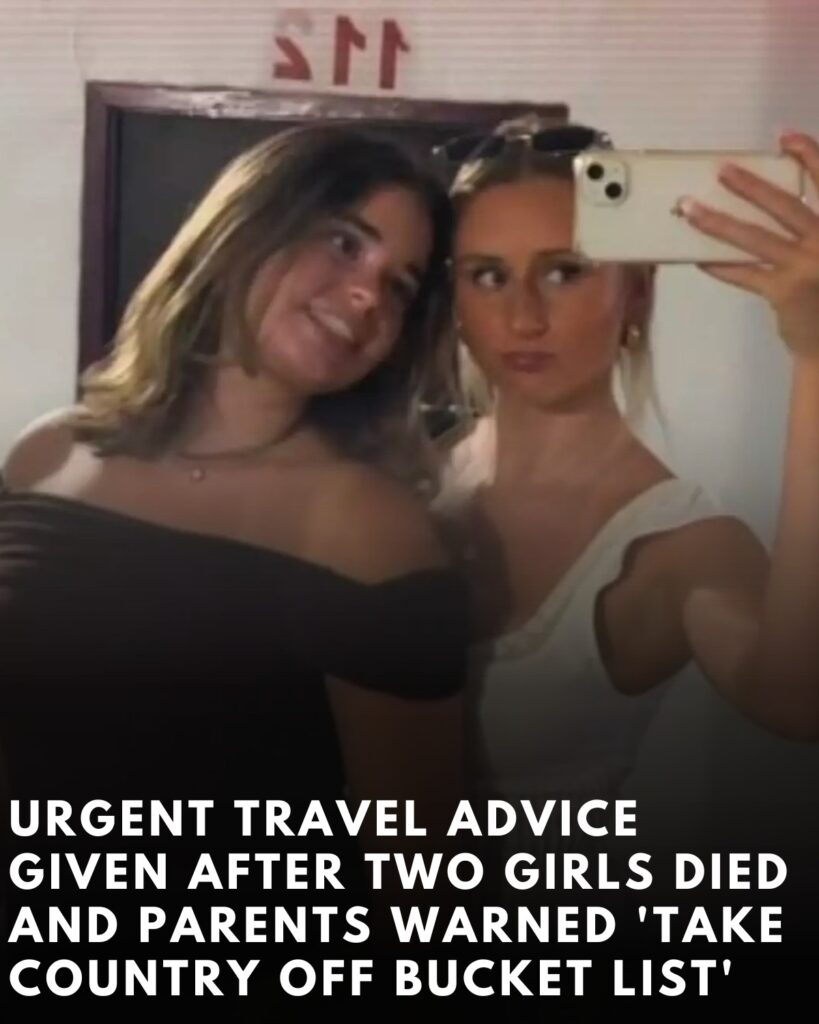
Lao authorities are investigating a suspected mass methanol poisoning that killed six foreign travellers in the backpacker town of Vang Vieng and prompted fresh warnings from multiple governments about the risks of tainted spirits in Southeast Asia. The deaths include two 19-year-old Australians, a 28-year-old British woman, two Danish women and a 56-year-old American man, according to officials and statements from family members. Police have detained staff from a local hostel as part of an inquiry that has focused attention on free shots reportedly offered to guests, the presence of counterfeit or contaminated liquor in the area, and a local ban on sales of two low-cost spirit brands while tests proceed.
The two Australians, identified by officials and family as Bianca Jones and Holly Bowles, fell ill in mid-November after a night out in Vang Vieng, a riverside town about 130 kilometres north of the capital Vientiane that is popular with young tourists for tubing and bar-hopping. Both were evacuated to hospitals in neighbouring Thailand, where Thai authorities said Jones died from brain swelling caused by high levels of methanol; Bowles later died despite intensive treatment. Australian Prime Minister Anthony Albanese publicly confirmed Jones’s death and described the case as “every parent’s very worst fear,” while Australian and Thai officials cited toxicology findings consistent with methanol poisoning.

A British victim was named by family as Simone White, a lawyer from Kent who was taken for emergency surgery but died on 21 November. Danish authorities confirmed that two Danish women were among the dead. The United States said an American citizen also died in Vang Vieng, with consular officials assisting families while Lao police investigate. The deaths occurred in the same period that multiple travellers reported sudden illness after drinking spirits in the town.
Attention quickly turned to the Nana Backpacker Hostel, where the Australians had stayed and where, according to the manager, free shots were given to more than 100 guests as a “gesture of hospitality” two days before the women became critically ill. The manager and owner have denied that contaminated drinks were served from the hostel bar, but Lao police detained the owner and later eight staff and managers for questioning as part of the probe. The hostel subsequently closed while the investigation continued. Police have not announced charges and have not publicly identified the precise source of the alcohol believed to have contained methanol.
The cluster of deaths triggered a rapid response from foreign governments. Australia’s Smartraveller service updated its Laos advice to warn about drink spiking and methanol poisoning and, following a local order, urged travellers to avoid “Tiger Vodka” and “Tiger Whisky” due to serious safety concerns. Lao authorities banned sale and consumption of those brands in late November and shut the associated distillery pending inquiries, according to Australian and local reporting. The guidance warns travellers to be particularly cautious with spirit-based drinks and cocktails, to consume only from reputable licensed premises, and to seek urgent medical attention if poisoning is suspected. The UK also broadened its general methanol poisoning warnings, advising nationals to purchase sealed drinks, avoid homemade alcohol and be wary of pre-mixed spirits served in jugs or “buckets.”
Families of the victims have called for accountability and for greater awareness of methanol risks among travellers. Bianca Jones’s father, Mark Jones, speaking in Bangkok, said his daughter had “a lust for life” and urged Lao authorities to pursue those responsible “to the fullest extent” so that such an incident does not recur. Guardians and relatives of other victims have similarly appealed for caution around local spirits, with some urging travellers to avoid hard liquor in countries where counterfeit alcohol is prevalent.

Methanol is an industrial alcohol used in products such as solvents and fuels. In countries with weaker enforcement or unregulated supply chains, producers sometimes add methanol to illicit or counterfeit spirits to cut costs, creating a toxic mixture that can be indistinguishable in taste from safe ethanol-based drinks. Poisoning symptoms often resemble those of ordinary intoxication at first—nausea, vomiting and confusion—but can progress within 12 to 48 hours to blurred vision, respiratory distress, brain swelling, blindness and death, making early recognition and treatment vital. Governments advising on the Laos cases have urged travellers to avoid homemade or unusually cheap spirits, to favour sealed beer or drinks they watch being opened, and to seek care immediately if symptoms develop after drinking.
The timeline emerging from official statements and media interviews suggests the Australians became unwell on or about 13 November. Staff at the hostel were alerted when the women did not check out as planned and arranged transport for medical care in Laos, after which both were transferred to Thailand for specialist treatment. As more information surfaced, authorities confirmed that at least a dozen travellers reported illness in the same window, with six deaths ultimately linked by investigators to suspected methanol poisoning. Lao officials said they were conducting a criminal investigation and would bring perpetrators to justice.
The case has revived longstanding concerns about alcohol safety in parts of Southeast Asia. Vang Vieng has been known for river activities and bars catering to tourists; Australia’s travel advice had previously highlighted injuries and fatalities related to tubing and alcohol consumption there. After the November deaths, that advice was broadened with explicit references to methanol poisoning and brand-specific warnings. The UK guidance, updated more generally this year, similarly emphasises the dangers of cheap or improvised spirits and encourages travellers to check FCDO pages for country-by-country updates.
Forensic details released by Thai authorities in the Australians’ cases underscored the clinical pattern. Thai police and medical staff told Australian outlets that tests showed high methanol concentrations and that brain swelling was the proximate cause of death in at least one case, consistent with severe methanol toxicity. Doctors who treated Bowles described intensive efforts to stabilise her condition before she died. The public confirmation of methanol as the trigger has shaped the law-enforcement focus in Laos and the governmental safety messaging abroad.
While investigators have not published a definitive account of the chain of supply that introduced methanol into the drinks consumed by the victims, the Lao government’s subsequent ban on Tiger-branded vodka and whisky and the detention of hostel staff suggest authorities are pursuing both retail and venue-level lines of inquiry. The hostel manager has said the establishment sourced its alcohol from a licensed distributor and has denied wrongdoing. Officials in Laos have offered condolences and pledged transparency, but the families have complained of limited information and delays in official findings, and some have urged travellers to avoid Laos until answers are provided.
International agencies and health experts generally advise that the safest approach in environments where counterfeit spirits may circulate is to choose sealed beers or wines, avoid unusually cheap or discounted “brand-name” spirits, and refuse offers of free shots where provenance is unclear. In the Laos cases, travellers in local online groups and friends of the victims reported multiple people becoming ill after consuming shots around the same time frame. Australian and British guidance now explicitly counsels caution with cocktails, buckets and jugs popular in backpacker areas, and emphasises seeking urgent medical help at the first sign of symptoms.
The deaths have resonated across three continents, uniting families in Australia, Britain, Denmark and the United States in grief and in calls for stronger safeguards. Tributes posted by friends and relatives described young lives cut short during “trips of a lifetime,” while consular officials coordinated repatriations and supported relatives in hospitals in Thailand and Laos. In Australia, friends and community groups raised funds to support awareness campaigns about methanol, and in Britain the mother of Simone White urged travellers to remain vigilant about the source of their drinks, warning that even careful choices can be undermined by counterfeit supply chains.
The incident is the latest in a broader pattern of methanol poisoning outbreaks in tourism hubs where enforcement is inconsistent and counterfeit brands proliferate. Governments say the risk often spikes around venues that offer promotions on shots or cocktails and where supply chains are opaque. In Laos, authorities have vowed prosecutions where evidence supports it. For now, the practical guidance for travellers remains straightforward but strict: avoid homemade or bargain spirits, favour sealed drinks from licensed premises, watch drinks being opened and poured, and seek immediate treatment for any post-drinking symptoms—because delays can be fatal.
As the Lao investigation proceeds, families continue to seek clarity on the sequence of events, the origin of the tainted alcohol and the accountability of suppliers and venues. Officials in Vang Vieng moved to remove suspect brands from shelves and to question those connected to the venues where the victims drank. The case has prompted debate in Laos about regulation of local distilleries and the need for routine testing of spirits sold to tourists. Until authorities deliver a final report, the deaths stand as a stark warning in a town renowned for carefree nights by the river: even one contaminated shot of methanol-adulterated liquor can kill, and early symptoms can mask a crisis already under way.
Authorities in Australia and the United Kingdom say they will continue monitoring developments and will update travel advice as the investigation yields findings. The families of the dead have said they will push for systemic changes that reduce the risk for future tourists. For the communities from which the victims came, vigils and funerals have marked the loss of lives just beginning, while their governments press within diplomatic channels for information and accountability. In the meantime, the message to travellers is precise and urgent: exercise heightened caution with spirits in Laos and similar destinations, and treat suspected methanol poisoning as a medical emergency.