Your kidneys work around the clock, filtering waste and balancing fluids so your body can function properly. Because they perform these tasks quietly and efficiently, early kidney problems often develop without obvious warning signs.
That is why awareness matters. Small changes that seem easy to ignore—such as fatigue or mild discomfort—can sometimes signal that your kidneys are under strain and need attention.
One of the first areas where signs may appear is your bathroom routine. Changes in how often you urinate, how much urine you produce, or urine that looks unusually foamy can be early indicators worth noticing.
Beyond that, some people experience ongoing tiredness, difficulty concentrating, or swelling in the ankles, legs, hands, or around the eyes. These symptoms can occur when the kidneys struggle to manage fluids and waste effectively.
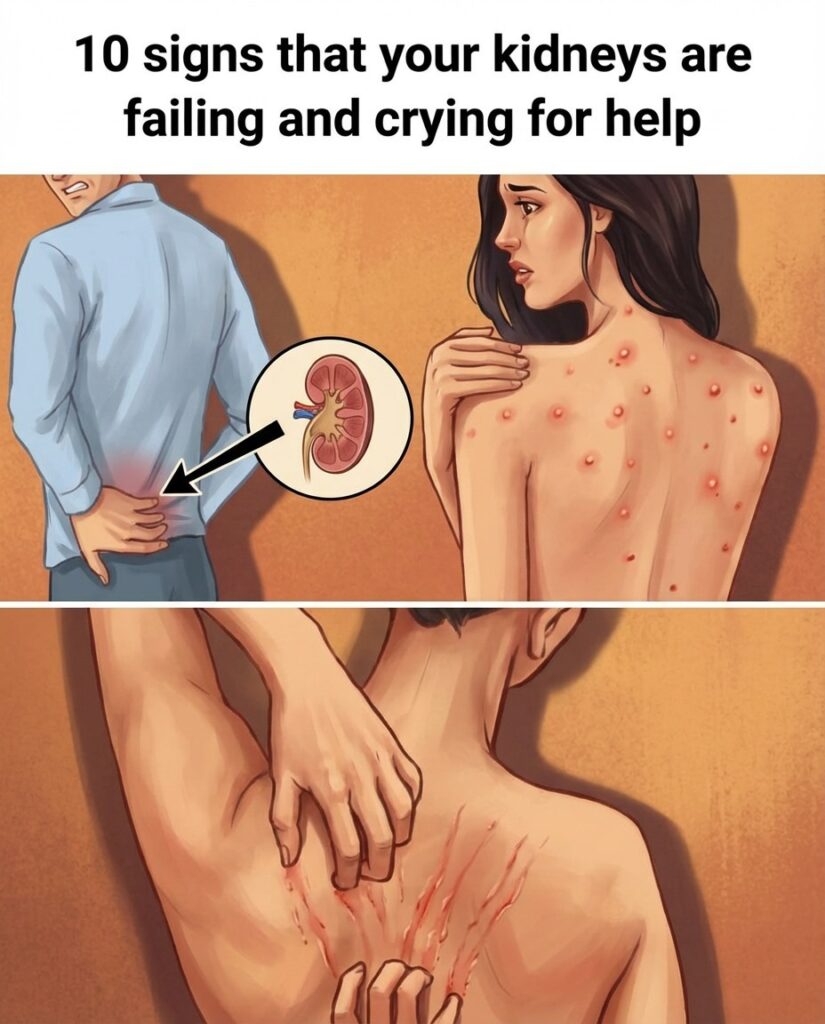
Other possible signs include lower back discomfort, nausea, reduced appetite, muscle cramps, dry or itchy skin, or changes in taste. These can reflect imbalances in the body’s chemistry linked to kidney function.
Risk factors also play an important role. High blood pressure and diabetes are common contributors, but family history, smoking, long-term use of certain pain medications, and diets high in salt or processed foods can increase risk.
Many protective habits are within your control. Staying hydrated, eating balanced meals, limiting sodium, staying active, and maintaining a healthy weight all support kidney health. Regular checkups are especially important for those with chronic conditions.
If symptoms persist or multiple risk factors apply, speaking with a healthcare professional is a wise step. Early attention can slow or prevent progression and help protect both kidney health and overall well-being.