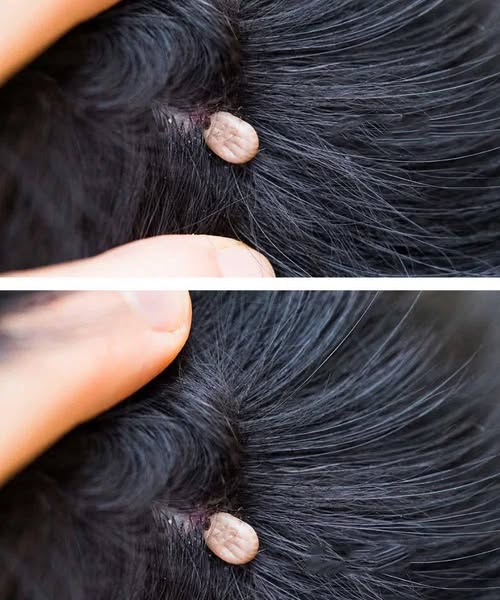
When you find something strange in your child’s hair — especially if you’ve come across the term “HT7” — it’s natural to worry. But before you panic, it’s important to understand what that term actually means and what might really be going on.
HT7 has nothing to do with the scalp, hair follicles, or any medical condition affecting the head. It’s actually an acupuncture point known as Shenmen, or “Spirit Gate,” used in Traditional Chinese Medicine (TCM). This pressure point, located on the wrist near the crease by the pinky finger, is believed to help calm the mind and ease symptoms like anxiety, restlessness, and insomnia. So if someone mentions “HT7” in connection with your child’s hair, it’s likely a misunderstanding — it’s unrelated to hair or scalp issues altogether.
However, if you’ve noticed anything unusual on your child’s scalp — flakes, redness, bumps, patches, or hair loss — that does warrant attention. Here’s a breakdown of the most common scalp and hair conditions in children, what they look like, and when to see a doctor.
- Cradle Cap (Seborrheic Dermatitis)
This is a harmless and very common condition in infants. You’ll notice yellowish, greasy scales or crusts on the scalp that sometimes extend behind the ears. It’s not painful or itchy. The cause is thought to be overactive oil glands combined with natural yeast on the skin. The best treatment is gentle — wash your baby’s hair with mild baby shampoo, then brush out the softened flakes using a soft baby brush. Cradle cap usually resolves on its own within weeks or months. - Dandruff
In older children and teens, flaky scalp issues are more often dandruff — characterized by white or gray flakes, mild itchiness, and sometimes redness. It’s usually caused by dry skin, fungal overgrowth (Malassezia), or sensitivity to hair products. Using a mild anti-dandruff shampoo (like one containing zinc pyrithione or ketoconazole) two to three times a week typically helps. Make sure your child rinses thoroughly, avoids heavy hair oils, and doesn’t scratch the scalp excessively. - Folliculitis
If you see small red bumps or pus-filled spots near hair roots, it could be folliculitis, which is simply inflamed or infected hair follicles. It can appear after tight hairstyles, heavy sweating, or poor scalp hygiene. Encourage your child to keep their scalp clean, avoid sharing hats or brushes, and skip overly tight ponytails or braids. Mild cases clear up with gentle cleansing and time, but if bumps spread or become painful, a doctor may prescribe a topical antibiotic. - Eczema (Atopic Dermatitis)
Eczema can also affect the scalp, leading to dry, flaky, itchy patches that sometimes ooze or crust. Children with eczema elsewhere on their body are more prone to this. Regular moisturizing, avoiding harsh shampoos, and using fragrance-free, gentle hair products are key. If the itch is intense or there’s visible irritation, a pediatrician might recommend a medicated shampoo or mild steroid lotion to calm the inflammation. - Tinea Capitis (Scalp Ringworm)
This one needs medical attention right away. Despite the name, ringworm isn’t caused by worms — it’s a fungal infection. Symptoms include scaly bald patches, black dots (where hair has broken off), or itchy, inflamed areas. It’s contagious and can spread through hats, combs, or close contact. Over-the-counter creams won’t work — prescription antifungal medicine (usually oral) is required. If you suspect ringworm, see a pediatrician or dermatologist immediately, and make sure to disinfect combs, bedding, and hats.