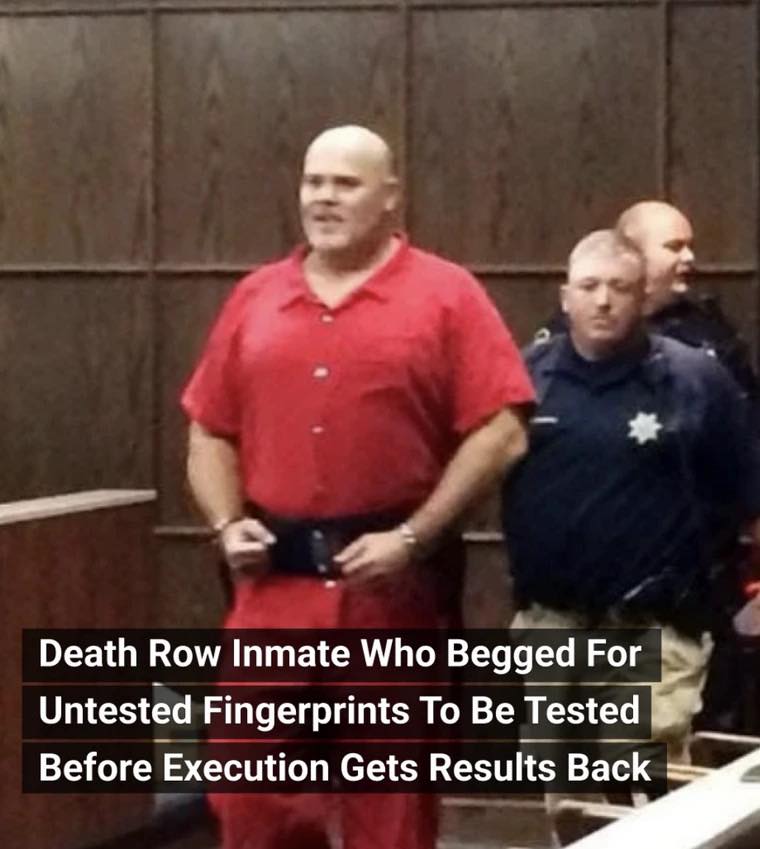
This case underscores how fragile narratives of innocence can be when they collide with objective forensic results. The inmate’s detailed story, complete with alleged threats, grudges, and conspiracies, gained traction because it offered a coherent alternative to the state’s version of events. However, once the new palm and fingerprint evidence tied him more firmly to key items at the crime scene, the gap between his public claims and the physical record became impossible to ignore.
At the same time, the situation highlights the intense pressure facing people on death row who feel they have nothing left but their own voices. Efforts at self-advocacy can rally public attention, yet they also risk backfiring if later evidence contradicts those claims. In capital cases, where the consequences are irreversible, this tension raises hard questions about how to balance skepticism of official narratives with a sober respect for verifiable proof.