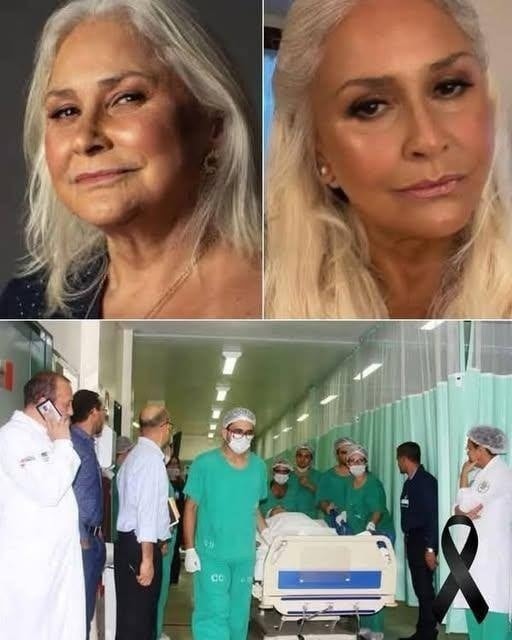
Late one evening, in a normally quiet neighborhood that rarely sees more than the occasional noise complaint, a young woman was violently assaulted. The attack left her with serious injuries that demanded urgent medical attention. It was the kind of incident that forces an entire community to stop and reassess the assumptions it makes about safety, vulnerability, and the responsibility each person carries to pay attention to what happens around them.
Emergency responders arrived within minutes of the 911 call. Neighbors reported hearing hurried movements, panicked voices, and the unmistakable tension that follows when something has gone terribly wrong. Paramedics moved quickly, stabilizing the victim and transporting her to the nearest hospital. Doctors began treatment immediately, addressing her physical injuries and arranging for psychological support as well, knowing that trauma rarely ends at the skin.
Hospital officials later confirmed that the woman was in stable condition. She was conscious, responsive, and receiving the full range of care needed after an event of this magnitude. But stability is only the first step. Recovery from an attack — especially one involving intimate violence and physical force — takes time, structured support, and a community that understands the difference between curiosity and compassion. Her family has been close by throughout the process, focusing their energy on her healing and keeping unnecessary attention at a distance.
Meanwhile, local police moved fast. Within hours, they had opened a full-scale investigation. Detectives began reviewing surveillance footage from nearby businesses and homes, tracing the timeline, and mapping her movements leading up to the incident. Officers knocked on doors, gathering witness accounts, hoping someone had seen a face, a vehicle, a shadow — anything that could help identify the attacker.
Investigators have been deliberately careful about what details they share. Protecting the victim’s privacy is more than a formality; it is a necessary shield against speculation, misinformation, and the kind of invasive attention that can retraumatize someone who is already fighting to regain a sense of safety. Police sources emphasized that the goal isn’t just to catch the person responsible. It’s to make sure the woman is not dragged into the center of public debate or treated like a case file instead of a human being.
The hospital staff echoed the same sentiment. They’ve arranged a support team that includes counselors trained in trauma response, social workers who specialize in victim advocacy, and medical professionals monitoring her recovery around the clock. They’re treating this as a long-term process, not a quick fix, because incidents like this don’t fade just because the bruises do.
In the days following the attack, community organizations stepped in as well. Several local nonprofits that work with survivors of violence reached out quietly to offer assistance: counseling services, legal guidance, crisis intervention, and ongoing support for both the victim and her family. These groups understand the weight that follows such an event. They’ve seen how easily victims become isolated, overwhelmed, or blamed for their own suffering — and they make it their mission to counteract that with real, practical help.
The community itself has been shaken. Residents who once felt completely secure walking home at night or letting their kids play outside after sunset are suddenly questioning what they took for granted. At neighborhood meetings held after the incident, people spoke openly about their fears, their anger, and the need for better lighting, more patrols, and a stronger culture of awareness. Not paranoia — awareness. The understanding that safety isn’t something to assume; it’s something to maintain.
Leaders from the area didn’t mince their words. They talked about the rise in violent incidents over the last year, the importance of reporting suspicious activity even when it feels minor, and the responsibility each person shares in keeping the community safe. They also stressed restraint: that rumors, online speculation, and amateur detective work do far more harm than good. The focus must stay on facts, on cooperation with police, and on supporting the victim, not gossiping about her.
Authorities have urged anyone who knows anything — even a detail that seems insignificant — to contact investigators. Sometimes a single piece of information, a moment of memory, or a comment overheard can shift the entire direction of a case. Police say they’re confident the attacker can be identified, but public cooperation will make that process faster and more certain.
This incident has also sparked a broader conversation about how communities talk about violence. Too often, these cases get buried, reduced to headlines or sanitized reports. But the reality is that violent assaults leave lasting marks — not only on victims but on the social fabric around them. They expose weaknesses, force uncomfortable questions, and demand honest responses from leadership, law enforcement, and everyday residents.
The woman at the center of this case isn’t a headline. She isn’t a “story.” She’s a person who experienced something brutal and undeserved, and she is doing the hard work of healing while others do the work of seeking justice. That’s where the focus belongs.
In the coming weeks, doctors will continue monitoring her condition. Counselors will guide her through the psychological fallout. Investigators will follow every lead until they find the person responsible. And the community — shaken but not helpless — will have to confront what happened and decide how to prevent the next tragedy.
What happened to her shouldn’t have happened to anyone. But how a community responds to violence defines it far more than the violence itself. This neighborhood, these officers, these organizations, and her family have made one thing clear: she won’t be left alone to navigate the aftermath. And whoever did this won’t be left free to do it again.