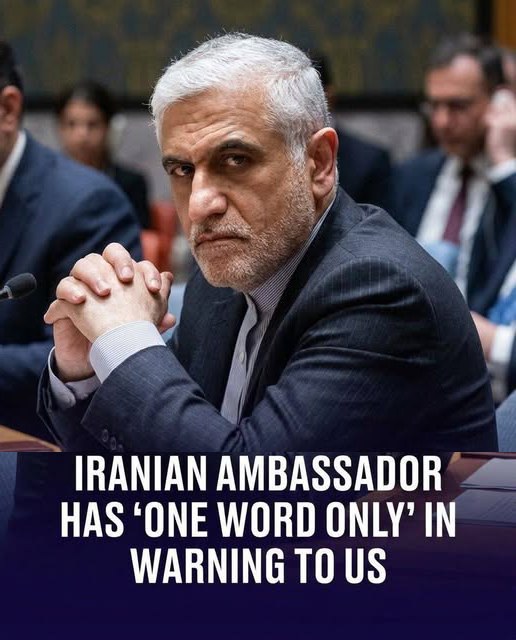
The confirmation by former President Donald Trump that the United States, in coordination with Israel, had launched major combat operations against Iran has dramatically escalated tensions across the Middle East. The strikes, described as targeting elements of Iran’s missile industry and military infrastructure, represent one of the most serious direct confrontations between the countries in recent decades.
The announcement immediately triggered retaliatory threats from Tehran, heightened military readiness across the region, market volatility, and urgent diplomatic activity from world leaders attempting to prevent a broader war.
A Long-Brewing Confrontation Turns Direct
For years, tensions between the United States, Israel, and Iran have simmered beneath the surface. Confrontations typically played out indirectly—through cyber operations, intelligence activities, proxy forces, and targeted actions rather than overt, large-scale military engagement.
This latest development marks a significant shift.
According to statements attributed to Trump, the operation was intended to “neutralize and dismantle” components of Iran’s ballistic missile production capacity. U.S. and Israeli officials indicated that multiple facilities connected to missile research, storage depots, and support infrastructure were targeted using precision-guided munitions, drones, and combat aircraft.
Military analysts note that such operations are typically designed not only to inflict physical damage but also to disrupt logistics chains, degrade long-term production capabilities, and signal deterrence.
Iranian authorities acknowledged damage to certain facilities but described the strikes as limited in scope while condemning them as unlawful aggression and a violation of national sovereignty.
Why the Missile Program Is Central
Iran’s missile program has long been a source of international tension. Western governments argue that the development of increasingly sophisticated and longer-range missile systems shifts the strategic balance in the region and poses risks to neighboring countries.
Israel, in particular, has repeatedly described Iran’s missile development as an existential threat. U.S. officials have likewise framed the program as destabilizing, especially given the broader geopolitical rivalry between Washington and Tehran.
Ballistic missile programs are viewed as critical components of deterrence strategies. Disabling such systems can reduce an adversary’s immediate strike capability—but also risks provoking retaliation, as missile infrastructure is often closely tied to national defense doctrine and political identity.
Iran’s Immediate Response
Within hours of the strikes, Iranian leaders issued strong statements vowing retaliation. Officials in Tehran framed the operation as an act of war and warned that responses could unfold across multiple domains, including:
- Direct missile launches
- Cyber operations targeting infrastructure
- Actions through regional allied groups
- Naval disruptions
Iranian military forces reportedly elevated air defense readiness and mobilized additional units to strategic positions. Airspace monitoring intensified, and regional governments began reassessing their security postures.
The rhetoric from Tehran suggested that any response would be calibrated but firm, aiming to demonstrate resilience while avoiding total war—though the risk of escalation remains significant.
Retaliation and Escalation Risks
Early unconfirmed reports indicated attempted retaliatory strikes toward Israeli territory and U.S. positions in the broader region. Military observers caution that in volatile environments, cycles of attack and counterattack can quickly widen.
Strategists often refer to “escalation ladders”—a framework describing incremental steps taken by adversaries. Each step is intended to signal resolve without triggering full-scale conflict. However, history demonstrates that such dynamics can spiral beyond initial intentions.
Neighboring countries have raised alert levels, concerned about potential spillover effects. Regional airspace monitoring increased, and some governments issued travel advisories for citizens.
The Middle East’s complex network of alliances and rivalries makes even limited strikes potentially destabilizing. Any miscalculation could draw additional actors into the confrontation.
Civilian Impact and Humanitarian Concerns
Beyond military objectives, the strikes have reportedly affected areas near populated zones. Damage to infrastructure—including roads, utilities, and communication lines—has been reported in certain districts.
Hospitals treated injured civilians, and precautionary evacuations were conducted in some areas as emergency services assessed structural damage and secondary hazards.
Humanitarian organizations expressed concern about:
- Displacement of residents
- Disruption of essential services
- Risk of prolonged instability
- Potential strain on medical systems
In conflict scenarios, infrastructure damage can have ripple effects extending far beyond initial strike zones, especially when electricity grids, water systems, or transportation networks are affected.
Economic Shockwaves
The geopolitical shock was not limited to the battlefield.
Global markets reacted swiftly to the news. Oil prices fluctuated as traders assessed the risk of supply disruptions from a region responsible for a substantial portion of global energy exports. Shipping lanes and maritime transit routes—particularly those vital to international energy flows—became focal points of concern.
Investors weighed the potential for:
- Extended regional instability
- Disruption of maritime traffic
- Sanctions expansion
- Cyberattacks targeting financial systems
Energy analysts emphasized that even temporary instability in key transit corridors can significantly affect global commodity prices.
International Reactions: Support and Alarm
Global responses were divided.
Some governments expressed support for efforts aimed at limiting Iran’s missile capabilities, arguing that deterrence was necessary to prevent further destabilization.
Others urged restraint and immediate de-escalation, warning that continued military exchanges could ignite a wider regional conflict with global consequences.
International organizations called for diplomatic engagement and emphasized the need to protect civilians and critical infrastructure. Calls for emergency Security Council discussions surfaced as diplomats sought avenues to prevent further escalation.
The divide reflects longstanding geopolitical fault lines, with some nations prioritizing security deterrence while others emphasize negotiation and conflict containment.
Political Fallout in Washington and Beyond
The strikes have also generated significant political reaction domestically and internationally.
Supporters argue that decisive military action was necessary to confront what they view as an expanding strategic threat. Critics question the long-term implications, warning that escalation could entangle the United States in a prolonged regional conflict.
Debate centers around several key issues:
- Scope and objectives of the operation
- Legal justifications
- Risk assessment regarding retaliation
- Long-term diplomatic strategy
In Israel, political leaders framed the action as essential for national security. Iranian leadership, meanwhile, used the strikes to reinforce domestic unity narratives and condemn foreign intervention.
Could the Conflict Last Weeks?
Military planners suggest that the coming weeks will be decisive.
Short-term exchanges may give way to a contained standoff—or escalate into sustained confrontation. Analysts outline several possible scenarios:
- Limited Retaliation and De-escalation – Both sides conduct symbolic actions before stepping back through diplomatic channels.
- Prolonged Tit-for-Tat Exchanges – Cycles of strikes continue but remain geographically limited.
- Regional Spillover – Additional actors become directly involved, widening the conflict.
- Diplomatic Reset – International pressure leads to renewed negotiations or ceasefire arrangements.
Much depends on the proportionality of responses and whether back-channel diplomacy remains active.
The Role of Cyber and Hybrid Warfare
Modern conflicts rarely remain confined to conventional battlefields.
Cyber capabilities could play a central role. Infrastructure networks—power grids, communication systems, and financial institutions—are potential targets in retaliation scenarios.
Hybrid tactics, including misinformation campaigns and economic pressure strategies, may also intensify.
Security experts note that cyber escalation can occur rapidly and unpredictably, sometimes without clear attribution, complicating diplomatic responses.
Regional Stability at Stake
The Middle East has long been characterized by overlapping rivalries, fragile alliances, and complex security dynamics. A sustained confrontation between the U.S., Israel, and Iran would likely reverberate across multiple theaters.
Regional actors are carefully watching developments, balancing alliance commitments against fears of becoming drawn into direct conflict.
Some governments are reportedly engaging in quiet diplomacy to prevent further escalation, recognizing that prolonged instability could undermine economic recovery efforts and domestic stability.
A Delicate Balance Between Force and Restraint
In high-stakes confrontations, perception often matters as much as battlefield outcomes.
Both sides appear intent on signaling strength. Yet the line between deterrence and provocation can be thin. Leaders must weigh political pressures at home against the unpredictable consequences of continued escalation.
History offers numerous examples of conflicts that began with limited objectives but expanded due to miscalculation or unintended escalation.
What Happens Next?
As of now, the situation remains fluid.
Military readiness levels remain elevated. Diplomatic channels are under strain but not entirely closed. Markets continue to react to developments, and global leaders are urging caution.
The coming days may determine whether the strikes mark a contained episode in a long-running rivalry—or the beginning of a more sustained regional crisis.
For civilians across the Middle East, uncertainty remains the dominant reality. For policymakers worldwide, the stakes are high: regional stability, energy security, and international norms governing the use of force all hang in the balance.
Conclusion: A Moment of Global Consequence
The launch of major combat operations against Iran represents a dramatic escalation in one of the world’s most persistent geopolitical rivalries. The immediate aftermath has brought retaliation threats, humanitarian concerns, market volatility, and diplomatic urgency.
Whether this crisis stabilizes or spirals further will depend on the decisions made in the critical days and weeks ahead. Military power has been demonstrated; now the question is whether strategic restraint and diplomatic engagement can prevent a broader regional war.
The world is watching closely.