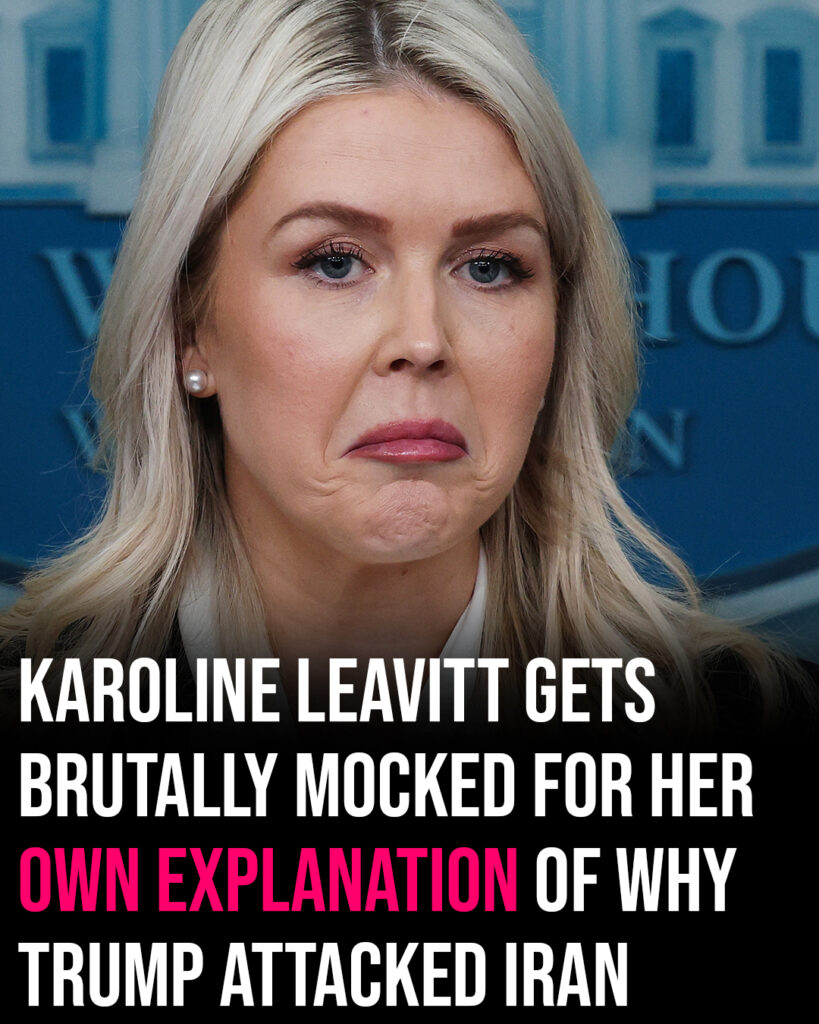
Leavitt’s explanation landed like a spark in a room already soaked with gasoline. After days of shifting justifications – nukes, deterrence, Israeli pressure, imminent attacks – her insistence that Trump acted on a “feeling, based on fact” crystallized a deeper fear: that the most consequential decision a president can make was driven as much by instinct as by evidence. For many, that phrasing shattered any illusion of a clear, singular trigger and instead suggested a murky blend of vibes, worst-case scenarios, and political theater.
The backlash was swift because the stakes are unbearable. Lives in Tehran, Tel Aviv, and on U.S. bases hang on judgments the public cannot see and may never verify. People want proof, not poetry; intelligence, not intuition. In the end, Leavitt didn’t just defend a war – she exposed the fragile trust between citizens and the leaders who decide when bombs will fall.