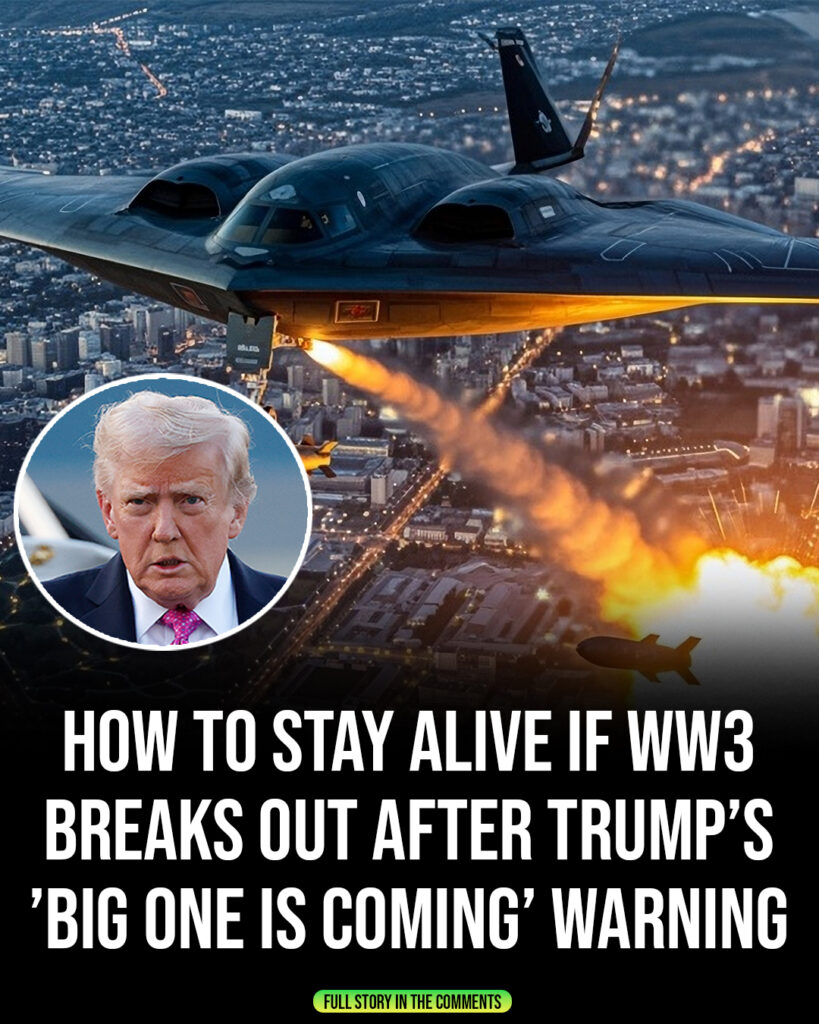
Fear is no longer abstract. With missiles over Tehran, Trump promising “the big one,” and experts whispering that World War 3 may already be underway, millions are secretly asking the same question: would my family survive even three days without help? Governments are quietly urging citizens to prepare. The 72-hour rule is no longer theory, it’s sur
Behind the frightening headlines and escalating rhetoric lies a quieter, more practical truth: in any major crisis, the first 72 hours are often the most chaotic and the most critical. Rescue services may be overwhelmed, supply chains disrupted, electricity and digital communication suddenly gone. That is why European leaders, Scandinavian governments, and survival experts from the U.S. are all converging on the same message: basic self‑sufficiency is no longer paranoia, it is responsibility.
A small stock of water, food, light, warmth, medicine and information can turn panic into control. A radio that works without the grid, documents protected from fire or flood, a simple plan agreed within your household – these are not preparations for “doomsday,” but for the unexpected. You cannot stop wars or disasters alone. But you can refuse to be helpless if the world outside your front door falls silent for a while.