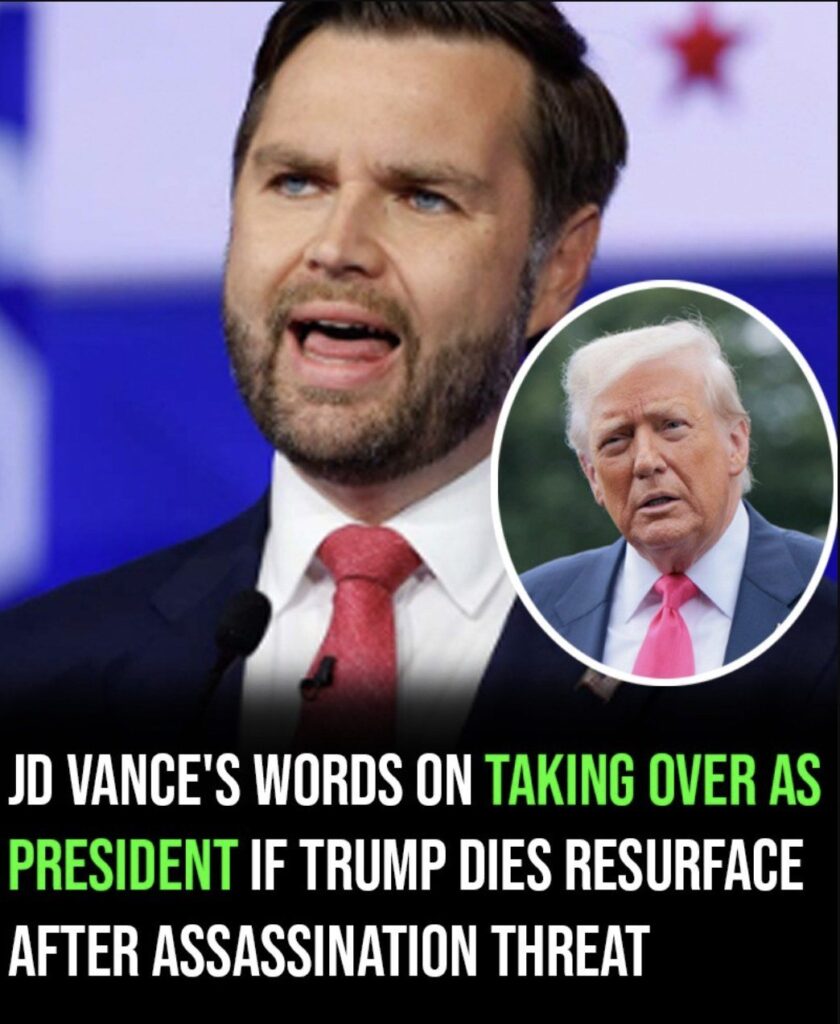
Recent remarks by JD Vance about presidential succession have resurfaced as global tensions intensify. With international conflicts escalating, including reported U.S. and Israeli military operations targeting Iran, questions about executive authority and leadership continuity have returned to public discussion.
Under the U.S. Constitution and the Presidential Succession Act, if a sitting president dies, resigns, or becomes unable to perform official duties, the vice president immediately assumes the presidency.
In a scenario involving Donald Trump, Vice President Vance would be sworn in as commander-in-chief. The transition would occur automatically under established constitutional procedures.
The White House maintains extensive continuity-of-government plans to ensure that leadership and essential federal operations remain stable during emergencies.
In February 2025, Trump signed an executive order increasing pressure on Tehran. According to reporting by CBS 42, the directive expanded federal authority to apply economic and diplomatic measures against Iran’s leadership.
Trump described the order as “very tough on Iran” and warned of serious consequences in response to any direct threats against him.
In an earlier interview with USA Today, Vance addressed the possibility of assuming the presidency under extraordinary circumstances. He said that while such a situation would be tragic, his work alongside the president had prepared him to fulfill constitutional responsibilities if required.
Discussions about succession are generally precautionary. The United States has long maintained structured contingency plans to guarantee immediate and orderly transfers of power. As global tensions remain elevated, these frameworks serve as reminders that constitutional systems are designed to provide stability even during unexpected crises.