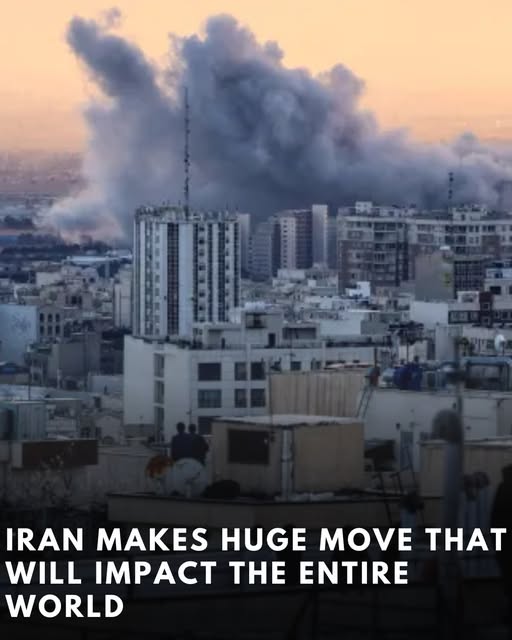
Iran has said it has halted navigation through the Strait of Hormuz and warned commercial vessels against attempting to pass through the narrow waterway, raising fears of a wider disruption to global energy and shipping markets as insurers withdraw cover and tankers report damage or remain stranded in surrounding waters.
The Strait of Hormuz, a 34-km-wide chokepoint at its narrowest shipping lanes between Iran and Oman, is a critical route for oil and gas exports from the Gulf. Reuters reported that shipping through the strait “has ground to a near halt” after vessels in the area were hit amid Iranian retaliation for U.S. and Israeli strikes, with “about 150 ships” stranded and at least one tanker reported to be ablaze.
LADbible, citing BBC reporting, said Iran had claimed it would “set fire” to ships seeking to pass through the strait and reported remarks attributed to Iranian General Sardar Jabbari that Tehran would “not let a single drop of oil leave the region”. Reuters separately reported that Iranian officials had said navigation through the waterway had been closed, and that Iran’s Revolutionary Guards commander had said Iran would fire on any ship attempting to transit the maritime chokepoint, according to Iranian media.
The escalation has quickly translated into operational and financial strain for shipping firms and their customers. Reuters said insurance companies were cancelling war risk coverage for vessels in the Gulf, a move likely to deter operators from entering the area and to drive up costs for those that continue to do so. In the same report, Reuters noted that the strait carries around one-fifth of the oil consumed globally as well as large quantities of gas, and that the disruption had contributed to a jump in oil and gas prices and a surge in freight rates on routes carrying Middle East crude to Asia.
The risks have also been underscored by a series of incidents involving tankers and other vessels across the Gulf and Gulf of Oman. Reuters reported that at least three tankers were damaged off the Gulf coast and that one seafarer was killed as Iranian retaliation exposed ships to collateral damage, with more than 200 vessels dropping anchor around the Strait of Hormuz and surrounding waters as risks surged.
Among the incidents described by Reuters, a Palau-flagged oil tanker under U.S. sanctions was hit off Oman’s Musandam peninsula, injuring four people, while falling debris from an aerial interception almost damaged another tanker in the UAE port of Jebel Ali, according to maritime security sources. Reuters also reported that an oil-bunkering tanker was damaged off the UAE coast, and that an oil products tanker was targeted with a drone but managed to sail without being damaged. Port operations at Jebel Ali were paused due to the situation, Reuters reported.
Authorities have issued warnings to commercial shipping about operating close to military assets in the area. Reuters reported that the U.S. transport ministry’s Maritime Administration advised vessels to keep clear of the Strait of Hormuz and the wider Gulf of Oman because of the risk of retaliatory strikes, and quoted the agency as saying: “Any U.S.-flagged, owned or crewed commercial vessels that are operating in these areas should maintain a standoff of 30 nautical miles from U.S. military vessels to reduce the risk of being mistaken as a threat.” Reuters also reported that security sources warned of the potential risk of mines being laid in the narrow lanes within the strait.
The latest warnings revive long-running concerns about the vulnerability of the Strait of Hormuz during periods of regional conflict. The strait has historically been a focal point for tensions involving Iran and Gulf states, as well as the United States and its allies, because of the concentration of energy exports that must transit the narrow corridor to reach global markets. In recent years, officials in Washington and European capitals have repeatedly warned that disruptions to Hormuz could quickly spread beyond the region, affecting fuel prices, supply chains and inflation globally.
LADbible reported that analysts at Goldman Sachs had warned that blockades in the strait could push oil prices higher, and said Brent crude had reached £61 per barrel on Friday, 27 February, while the bank’s analysts warned prices could rise “to up to £74 per barrel” under severe disruption scenarios. Reuters’ reporting has also highlighted the immediate effect on war-risk insurance, freight rates and vessel behaviour, including ships dropping anchor rather than attempting transit.
The political backdrop remains volatile. LADbible reported that U.S. President Donald Trump expected the conflict with Iran to last around a month, though the outlet did not publish a direct quote for that assessment. Reuters’ dispatches focused on the operational consequences of the expanding conflict, linking the shipping disruption to Iranian retaliation for U.S. and Israeli strikes.

Iran has not publicly set out detailed operational plans for enforcing a closure, but the country has previously been assessed by Western officials and maritime security analysts as capable of employing a range of asymmetric tools in the strait and its approaches, including mines, drones, missiles, and fast attack craft. Reuters reported that the risk of mines was among the concerns cited by security sources and that maritime officials expected war-risk insurance rates to surge as underwriters reviewed cover.
For import-dependent economies in Asia, the prospect of a sustained interruption to Gulf exports poses immediate questions about stockpiles, alternative sourcing and the ability of shipping and insurance markets to keep cargoes moving. Reuters reported that Iran’s announcement that navigation had been closed prompted Asian governments and refiners, described as key buyers, to assess oil stockpiles.
The longer the disruption continues, the more pressure is likely to fall on regional ports, maritime patrols and insurance markets, with knock-on effects for fuel costs and broader trade flows. For now, shipping sources and officials cited by Reuters describe a rapidly tightening operating environment in which vessels face heightened risks from strikes and interceptions, and where the commercial calculus of entering the Gulf is being reshaped by the withdrawal of cover and the growing number of ships opting to wait at anchor rather than attempt transit.