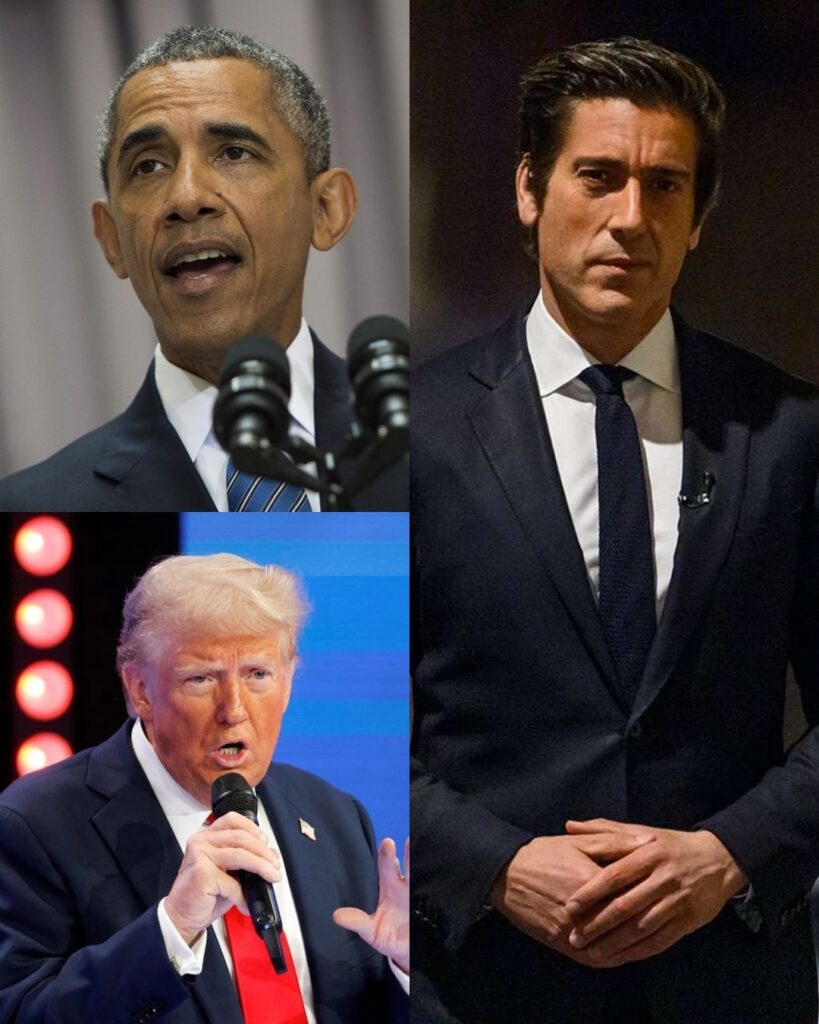
In a week already swollen with noise, Washington found itself gripped by a spectacle that blurred politics and theater, sparked by a challenge tossed like a lit match before cameras.
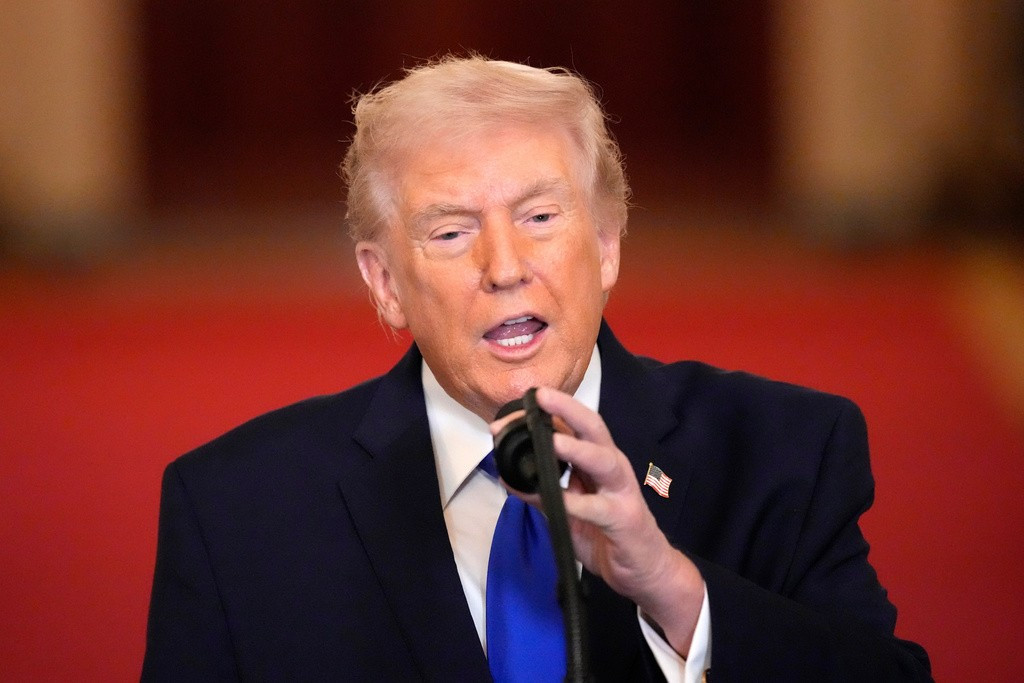
It began in the Rose Garden, where Donald Trump stood before reporters, posture squared, confidence unmistakable, delivering a line that instantly leapt from routine remark into combustible national conversation.
“Let’s take an IQ test. I’d win easily.”
Seven words, casually spoken, yet charged enough to detonate across broadcasts, timelines, late-night monologues, and kitchen-table debates before the afternoon cycle even cooled.

For a breath, the press pool froze.
Pens hovered. Cameras whirred. Aides exchanged glances balancing loyalty and disbelief, unsure whether applause or silence best suited a moment already sliding toward legend.
Within minutes, producers cut the clip.
Chyrons flashed. Commentators sharpened tone. Social feeds pulsed as the challenge raced through networks, acquiring velocity, distortion, satire, and outrage in equal measure.
Then came the response heard around the media world.
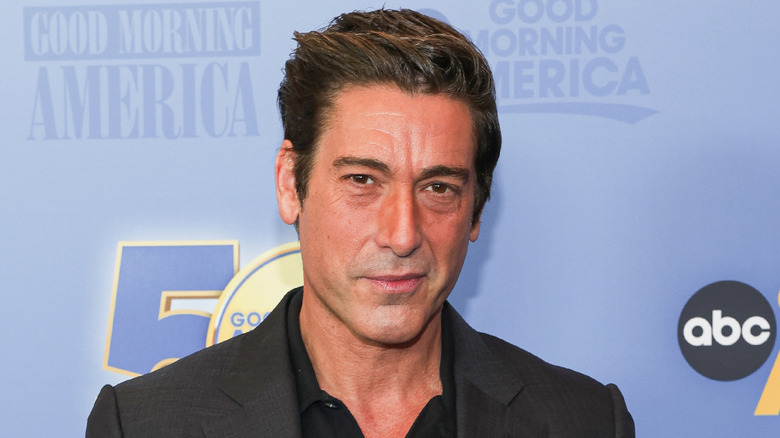
On air, David Muir replayed the footage twice, eyes steady, cadence measured, before delivering a remark both surgical and devastatingly memorable.
“Nothing says ‘genius’ like demanding a pop quiz you didn’t study for.”
The studio audience reacted instantly, laughter mixing with gasps, the tension snapping like a tightened wire finally released.
But Muir was not finished.
His follow-up, delivered with deadpan restraint, sliced deeper precisely because it refused theatrics, choosing wit sharpened by composure instead of raised volume.
“If this ever happens, I hope someone proctors it. Same test, same pencils — though perhaps we keep distractions to a minimum.”
A joke, yes, but one carrying unmistakable edge.
The line ricocheted across social platforms.
Hashtags erupted. #IQGate surged. #ObamaVsTrump trended. Memes multiplied: mock report cards, split-screen comparisons, cartoon pencils trembling beneath the weight of national attention.
Cable panels leaned forward.
Some laughed. Others winced. Analysts parsed tone, intention, and implication, transforming an offhand dare into a sprawling debate over ego, optics, intelligence, and performance.
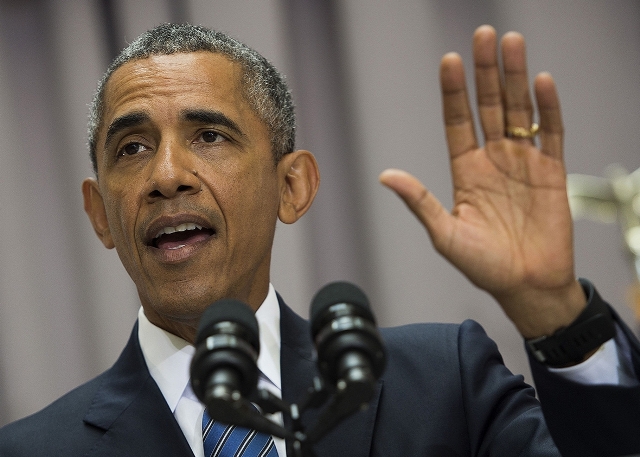
The name at the center of the challenge — Barack Obama — hovered like gravitational force, pulling commentary inevitably toward comparisons of style, rhetoric, and legacy.
Insiders close to Trump’s orbit adopted public restraint.
Statements described the exchange as “beneath the office,” language polished for microphones yet betraying discomfort barely concealed beneath practiced discipline.
Off-record, candor slipped through.
One adviser reportedly muttered, “This is why live microphones are undefeated,” a phrase that itself became headline fodder within hours of whispered circulation.
Meanwhile, editorial desks buzzed with urgency.
Was this humor, hubris, provocation, or strategy? Each interpretation fed another layer of analysis, ensuring the story refused to fade with predictable news-cycle mercy.
Political operatives saw familiar patterns.
A provocation. A media storm. A flood of reaction eclipsing policy discussion, demonstrating again how modern discourse bends toward spectacle with almost gravitational inevitability.
Communication scholars noted something deeper.
Moments like these, they argued, reveal not merely personality but the evolving mechanics of political attention, where a quip can outweigh weeks of legislative complexity.
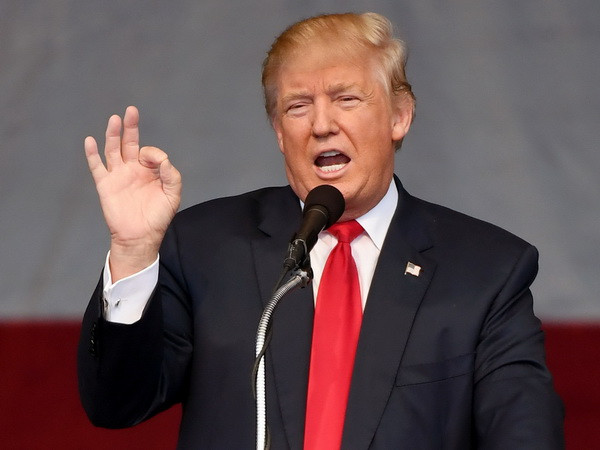
Late-night hosts seized opportunity.
Punchlines sharpened. Laughter intensified. The challenge became comedic currency, repackaged nightly for audiences increasingly fluent in irony, parody, and political fatigue.
Yet beyond humor, unease lingered.
Observers questioned what it means when intelligence becomes a taunt, when governance shares oxygen with entertainment, and when rhetoric risks eroding institutional gravity.
Muir’s closing commentary struck that nerve.
Calm, almost clinical, he offered a reminder that sliced through noise precisely because it abandoned mockery in favor of reflective sobriety.
“Intelligence isn’t proven by declaring it. It’s revealed through judgment — especially knowing when not to turn politics into performance.”
A sentence that settled like dust after detonation.
Viewers replayed the segment obsessively.
Clipped, captioned, remixed, debated — its reach extended far beyond traditional audiences, infiltrating feeds curated by algorithms hungry for engagement spikes.
Digital culture amplified everything.
Outrage, laughter, allegiance, contempt — each reaction rewarded visibility, ensuring emotional intensity became fuel sustaining the controversy’s relentless circulation.
In coffee shops and comment threads alike,
citizens argued not about policy proposals but about tone, respectability, and perceived intellect, illustrating how narratives migrate once spectacle eclipses substance.
Critics accused media of escalation.
Supporters countered that satire reflects rather than manufactures absurdity, exposing tensions inherent in an era where politics unfolds under constant broadcast scrutiny.
:max_bytes(150000):strip_icc()/David-Muir-060225-2-c9e1c9ed1d04443290416b2cb165e4ef.jpg)
Veteran journalists recognized déjà vu.
They had witnessed decades of rhetorical flare-ups, yet sensed acceleration — controversies igniting faster, burning hotter, and embedding deeper within collective memory.
The psychology of leadership entered discussion.
Analysts debated whether bold declarations signal confidence or insecurity, strength or fragility, authenticity or calculation in a landscape allergic to nuance.
For younger audiences, the episode felt native.
Politics, long entwined with television, now lives seamlessly inside meme culture, where humor becomes commentary and commentary becomes identity signaling.
Educators observed teachable implications.
Classrooms dissected framing, rhetoric, and media ethics, using the incident as case study in how language, timing, and delivery reshape public interpretation.
Meanwhile, political loyalists entrenched.
Defenses hardened. Critiques sharpened. The challenge transformed into symbolic battlefield reflecting broader cultural divisions extending far beyond the Rose Garden exchange.
Lost amid noise was an irony.
An IQ test — designed to measure cognitive reasoning — had itself become cultural Rorschach test, revealing projections more than offering measurable insight.
Sociologists emphasized performance dynamics.
Public figures, they argued, navigate incentives rewarding provocation, where visibility equates to power and controversy functions as strategic amplifier.
Still, many viewers felt simple fatigue.
Another storm. Another cycle. Another reminder that national conversation can pivot on impulse rather than deliberation, laughter rather than legislation.
Yet dismissal proved impossible.
The spectacle persisted precisely because it fused humor, rivalry, history, and personality — ingredients reliably irresistible within modern attention economies.
Historians drew parallels to past eras.
Political theater is hardly new, they noted, but technology’s reach transforms fleeting remarks into enduring artifacts replayed indefinitely across digital landscapes.
Communications experts highlighted framing power.
Muir’s delivery — steady, restrained, understated — magnified impact, demonstrating how tone can sharpen critique without resorting to overt confrontation.
Even critics conceded craftsmanship.
The remark’s elegance lay in brevity, humor functioning as scalpel rather than hammer, allowing audiences to laugh while absorbing pointed subtext.
Inside campaign war rooms, strategists recalibrated.
Every reaction, meme, and headline became data point, feeding calculations about resonance, backlash, and the unpredictable calculus of voter perception.
Meanwhile, civic advocates worried aloud.
When discourse prioritizes spectacle, they asked, what space remains for policy literacy, institutional trust, and democratic deliberation requiring patience over provocation?
Supporters dismissed alarm as elitism.
Politics, they argued, has always thrived on personality, conflict, and drama — elements rendering governance legible within emotionally driven public arenas.
Yet beneath debate lingered discomfort.
The incident exposed fragility in boundaries separating statesmanship from showmanship, governance from entertainment, seriousness from satire.
Observers noted audience complicity.
Clicks, shares, laughter, outrage — collective engagement sustains the cycles we critique, binding citizens and media within feedback loops difficult to escape.
Psychologists described dopamine dynamics.
Outrage and humor alike trigger reward circuits, making controversy addictive, ensuring stories endure not solely by importance but by emotional stimulation.
Still, moments of clarity emerged.
Amid noise, some viewers heard Muir’s final reflection less as jab than as meditation on judgment, restraint, and the burdens of public responsibility.
In that reading, humor softened gravity.
Laughter opened space for reflection, allowing critique to land without overt hostility, reminding audiences that wit can illuminate rather than merely inflame.
Yet others perceived condescension.
Interpretation fractured along familiar lines, proving once more that media messages rarely travel intact through polarized perceptual filters.
Political identity shaped reception.
For some, the challenge symbolized confidence; for others, recklessness. Meaning bent according to allegiance, skepticism, fatigue, or long-cultivated distrust.
Meanwhile, the news cycle churned forward.
New crises surfaced. Fresh controversies competed. Yet this exchange lingered, replayed as emblem of an age enthralled by collision between ego and optics.

Ultimately, the spectacle revealed paradox.
A fleeting remark achieved durability precisely because it seemed trivial, illustrating how modern discourse often elevates moments disproportionate to substantive consequence.
Still, triviality can illuminate truth.
The episode exposed tensions defining contemporary politics: authenticity versus discipline, provocation versus prudence, performance versus governance.
In living rooms across the nation,
viewers laughed, argued, shrugged, and sighed — reactions as diverse as the country itself, yet united by recognition that something unmistakably theatrical had unfolded.
And perhaps that is the legacy.
Not who “won,” nor whether any test could measure leadership, but how swiftly politics can transform into spectacle under relentless lights of modern media.
Because within seconds,
a simple dare became national drama — a collision of humor, ego, and interpretation, reminding audiences that in today’s landscape, rhetoric rarely fades quietly into afternoon air.