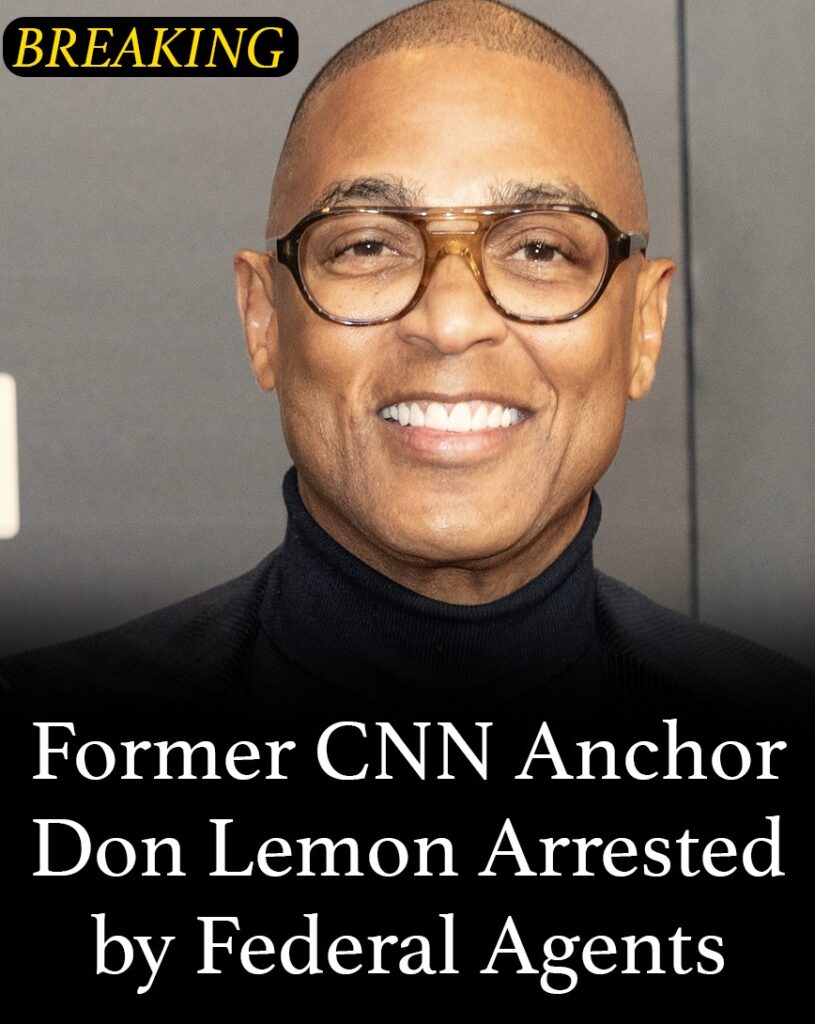
The arrest of former CNN anchor Don Lemon by federal agents has shaken the nation, highlighting deep divisions over press freedom, federal authority, and civil dissent. The intervention followed a tense anti-immigration protest at a Minnesota church, where demonstrators confronted a pastor who also served in ICE. Lemon, documenting the scene, became entangled in the unfolding chaos.
Lemon’s attorney, Abbe Lowell, insists he was exercising First Amendment rights. Lemon was there to report, asking difficult questions and recording events that matter to the public. Lowell warns that criminalizing journalists at protests sets a dangerous precedent, potentially silencing coverage of government actions during critical moments.
Federal authorities, including the FBI and Homeland Security Investigations, quickly convened a grand jury. The high-level coordination suggests a broader investigation beyond trespassing or disorderly conduct. With details under seal, speculation has spread: some see the arrest as necessary for law and order; others view it as an effort to intimidate journalists.
Tensions have intensified due to the deaths of protesters Renee Good and Alex Pretti, which remain unresolved. Lemon had reported on these cases, prompting some to claim the arrest is retaliatory, aimed at curbing scrutiny of federal actions during civil unrest.
The legal strategy will focus on First Amendment protections, emphasizing that journalists cannot be barred from covering protests simply because authorities find their reporting inconvenient or uncomfortable. The case raises urgent questions about the line between observing and participating in unlawful activity.
As the grand jury proceeds, the nation watches anxiously. The arrest forces a reckoning: how far can the government go, and who defines “legitimate” journalism when reporting touches state power?
The Minnesota incident has grown into a test of American values, balancing security, civil liberties, and press freedom. Lemon’s case could become a landmark, shaping federal authority and journalistic rights for years to come.
If a high-profile journalist can be detained under sealed charges, newsrooms worldwide will feel the chilling effect. For now, Lemon’s story is no longer just one he tells—it is being written upon him, reflecting the fragile tension between law, liberty, and the public’s right to know.