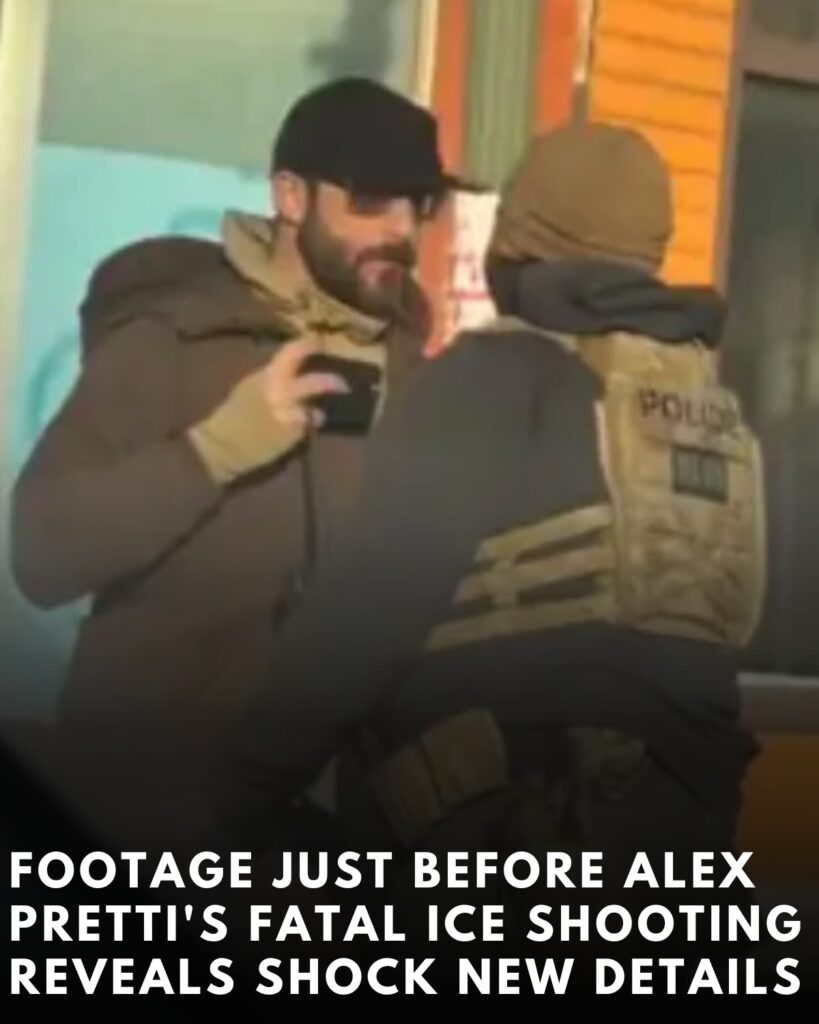
The fatal shooting of Alex Pretti on a Minneapolis street, captured in multiple videos and now at the centre of a widening investigation, has intensified scrutiny of federal immigration enforcement tactics and deepened tension in a city where another U.S. citizen was killed by a federal agent earlier this month.
Pretti, 37, was shot during a protest against a surge of U.S. Immigration and Customs Enforcement activity in Minneapolis. Videos of the encounter verified by Reuters show Pretti holding a phone as he moved to assist people on the ground after they were pushed by federal agents. In the footage, a federal agent can be seen shoving women to the ground, while Pretti steps between the agent and the women, raises an arm as he is pepper sprayed, and is then seized by several agents who force him down. A handgun appears to be removed from Pretti’s waistband area as he is pinned. Moments later, an officer points a gun at Pretti’s back and fires four shots in quick succession, with additional shots heard as another agent appears to fire.
Federal officials have described the shooting as justified and have portrayed Pretti as a threat, an account that Minnesota officials and witnesses have disputed. The Department of Homeland Security has said Pretti was armed, and prominent Trump administration figures have defended the actions of the agents involved, even as the video record circulated widely online and prompted calls for accountability.
Minneapolis Police Chief Brian O’Hara said the available footage contradicted the federal account. Appearing on CBS’s “Face the Nation,” O’Hara said “the videos speak for themselves,” and said he had seen no evidence that Pretti brandished a gun.
The killing came as federal agents have faced persistent, angry demonstrations in Minneapolis, with residents protesting in freezing conditions and large crowds returning to the streets in recent days. Reuters reported that thousands again filled streets on Sunday to protest the expanded immigration enforcement presence, chanting and carrying signs demanding ICE leave the city.
Pretti’s family has publicly rejected claims that he posed a threat. In a statement published by CBS News, his parents urged the public to focus on what the videos show and asked for help in correcting what they described as false narratives about their son, saying: “Please get the truth out about our son. He was a good man.”
Pretti was an intensive care nurse, and accounts from family members and colleagues have described him as someone who worked with seriously ill patients and veterans. The Associated Press reported that he worked at the Minneapolis VA Medical Center and was remembered by people who knew him as compassionate and reliable, with loved ones saying he had been deeply troubled by the immigration crackdown playing out in his city.
The American Nurses Association issued a statement saying it was “deeply disturbed and saddened” by Pretti’s death and extending condolences to his loved ones, colleagues and the community.
The shooting has also drawn attention because it is part of a broader pattern of confrontation in Minneapolis this month. Reuters reported that tensions were already high after another U.S. citizen, Renée Good, was fatally shot by a federal immigration agent on January 7 after the agent approached her in her parked vehicle. Trump officials said she attempted to ram the agent, while other observers said bystander video suggested she was trying to steer away from the officer who shot her.
Minnesota authorities have been investigating whether the agent who killed Good violated state law. Reuters reported that the U.S. Justice Department withdrew its cooperation from that state and local probe and that at least a dozen federal prosecutors resigned over the department’s handling of the Good case.
In Pretti’s case, Minnesota officials have said he held a valid state permit to carry a concealed firearm in public. Reuters noted that the U.S. Supreme Court ruled in 2022 that carrying a handgun in public is a constitutional right.
Despite that legal backdrop, the central question raised by the videos is how and why force escalated, and what officers understood about the presence of a gun after it appeared to have been taken from Pretti while he was pinned on the ground. Darius Reeves, a former head of ICE’s field office in Baltimore, told Reuters that the apparent lack of communication among agents in the video was troubling, saying: “It’s clear no one is communicating to me, based on my observation of how that team responded.”
The legal response has moved quickly. Reuters reported that, at Minnesota’s request, a federal judge issued a temporary order on Saturday night barring the Trump administration from destroying or altering evidence related to Pretti’s killing.
The controversy has reverberated beyond Minneapolis politics and policing. Reuters reported that chief executives of several major Minnesota-based companies, including Target, Cargill and Best Buy, signed a letter calling for “immediate de-escalation of tensions” and urging coordination among state, local and federal officials.
Pretti’s death has also become a flashpoint in a national argument over aggressive immigration enforcement, protest policing, and the limits of force when weapons are present but not displayed. Video evidence, witness accounts, and official statements are now being weighed alongside each other, with local officials emphasising what they say is the clear sequence shown in footage, and federal officials insisting agents faced a dangerous situation.

For those who knew Pretti outside the protests, the dispute over the moments before the shooting sits uneasily alongside their memories of his work and daily life. AP reported that neighbours and patients described him as warm and helpful, and that he had been active in protests linked to immigration enforcement and earlier deaths involving federal officers in Minneapolis.
The investigations are continuing, and authorities have not released a definitive public account that reconciles the video record with the administration’s description of the event. For now, the footage and the competing narratives have left Minneapolis confronting the implications of two deadly federal shootings in the space of weeks, and a growing demand, from officials and the public alike, for a full accounting of what happened on the street where Alex Pretti died.