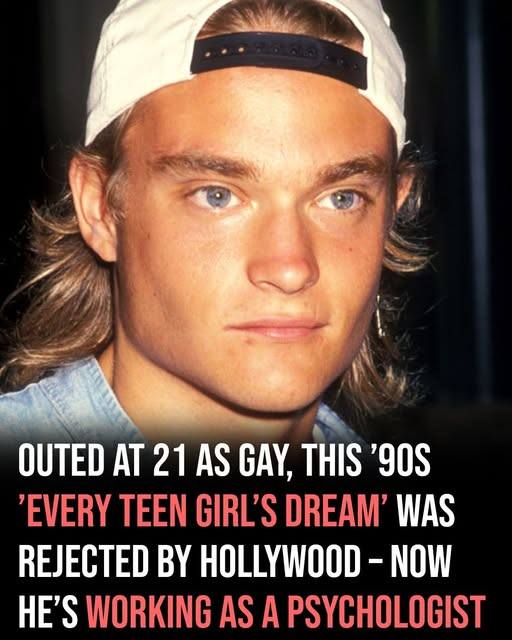
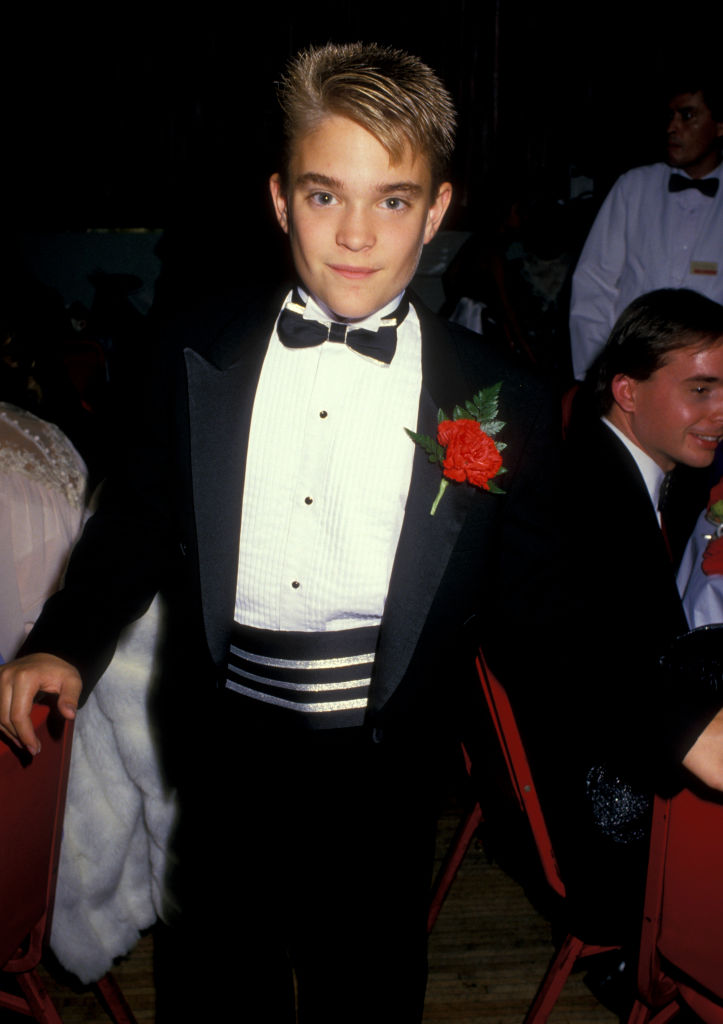
He was once the boy every magazine wanted on its cover — a smiling, radiant face that filled living rooms across America throughout the 1980s.
From morning talk shows to television interviews, his image became synonymous with the idealized vision of American childhood.
Behind the fame, however, was a young actor quietly grappling with profound questions of identity, purpose, and the suffocating pressure of constant public scrutiny.
Born in 1974, Chad Allen stepped into the spotlight at an age when most children were only beginning to explore the world outside their family homes.
His first major role came at eight years old in the acclaimed television drama St. Elsewhere, where he portrayed an autistic boy.
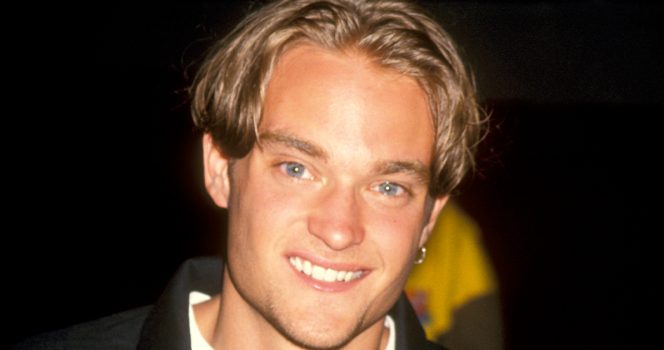
Preparing for the role was no small feat for a child actor; his mother patiently explained that children with autism often inhabit worlds uniquely their own. Chad absorbed this lesson with surprising depth.
“And I understood that,” he later reflected. “I would sit there and have this whole world going on in my head. I’d be following the patterns on the wall, and in my head there was an imaginary war going on between the shapes.” This early ability to immerse himself in a role and internalize complex experiences set him apart from his peers and laid the foundation for his rising career.
A guest appearance in an early episode of Airwolf earned him a nomination for “Best Young Actor: Guest in a Series,” further establishing his talent and industry credibility.
Soon, Chad’s face became ubiquitous on family television. He appeared in Our House and My Two Dads, performing lines while other children were learning math, playing games, or enjoying the innocence of youth.
He grew up under the harsh but illuminating glare of studio lights, balancing scripts, rehearsals, and interviews with the same seriousness many adults struggle to maintain in their careers.
“I played pretend, and I was good at playing pretend… and all of a sudden people were making a lot of money, and I didn’t want to do it anymore,” he recalled years later. The young actor loved performing, yet he often felt trapped by the world Hollywood had constructed around him.
Playgrounds, friendships, school dances, and casual adolescent experiences were replaced with auditions, production sets, and media appearances. The lines between his true self and the public persona created by agents, publicists, and executives began to blur.
The Teenage Idol and the Pressure of Public Image
By his early teens, fame had shaped nearly every facet of Chad’s identity. Media outlets carefully curated his image, and publicists worked tirelessly to ensure he remained the quintessential teen idol.
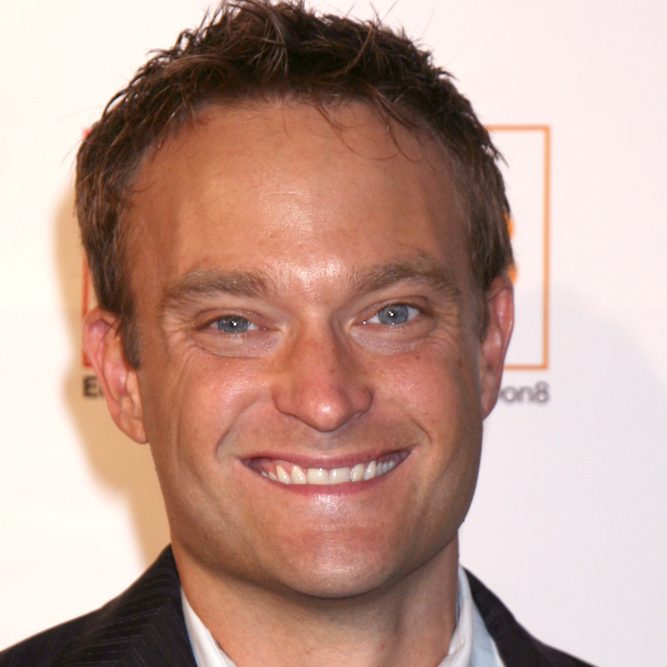
Each magazine cover, each promotional appearance, further polished the boy America adored into a brand. While the audience saw a confident, cheerful young star, inside Chad questioned who he really was beneath the constructed image.
“He was very well put together, and I wanted to get to know him,” he later said about his public persona, reflecting on the gap between external perception and internal reality. At sixteen, he made the unprecedented decision to walk away from Hollywood — to pursue a more typical teenage experience that Hollywood had never allowed.
He re-enrolled in high school, seeking not only academic normalcy but a connection to peers who shared no interest in his fame. He joined the drama club, initially because it was a haven for those considered “rejects” or uncool — many of whom were gay, introverted, or otherwise marginalized.
It was here that he discovered a genuine love for theater, a form of creative expression starkly different from the commercialized, controlled environment of television stardom.
“I discovered that I liked the world of the theater, which was so different from the world of the teen star,” Chad explained. In this setting, he could explore emotions, challenge himself artistically, and grow in a way that wasn’t dictated by public expectation or studio oversight.
Struggles with Addiction and Isolation
Despite being raised in a devout Catholic household, where discipline, faith, and moral structure were central to family life, the collision of fame and personal development soon led to internal turbulence.
As Chad entered adolescence and early adulthood, he began grappling with loneliness, identity confusion, and the pressures of public scrutiny. Alcohol became a coping mechanism, providing temporary relief from internalized anxiety, self-doubt, and isolation.
“At the end of the day, I was alone, and I couldn’t stop drinking… In the end, things spiraled so far out of control that I found myself sitting alone in my Malibu condo, completely isolated and teetering on the edge of death,” Chad later recounted.
Addiction took over, threatening not only his career but his very life. Friends, colleagues, and family became increasingly concerned. Actress Heather Tom, a close friend, eventually distanced herself, serving as a painful wake-up call.
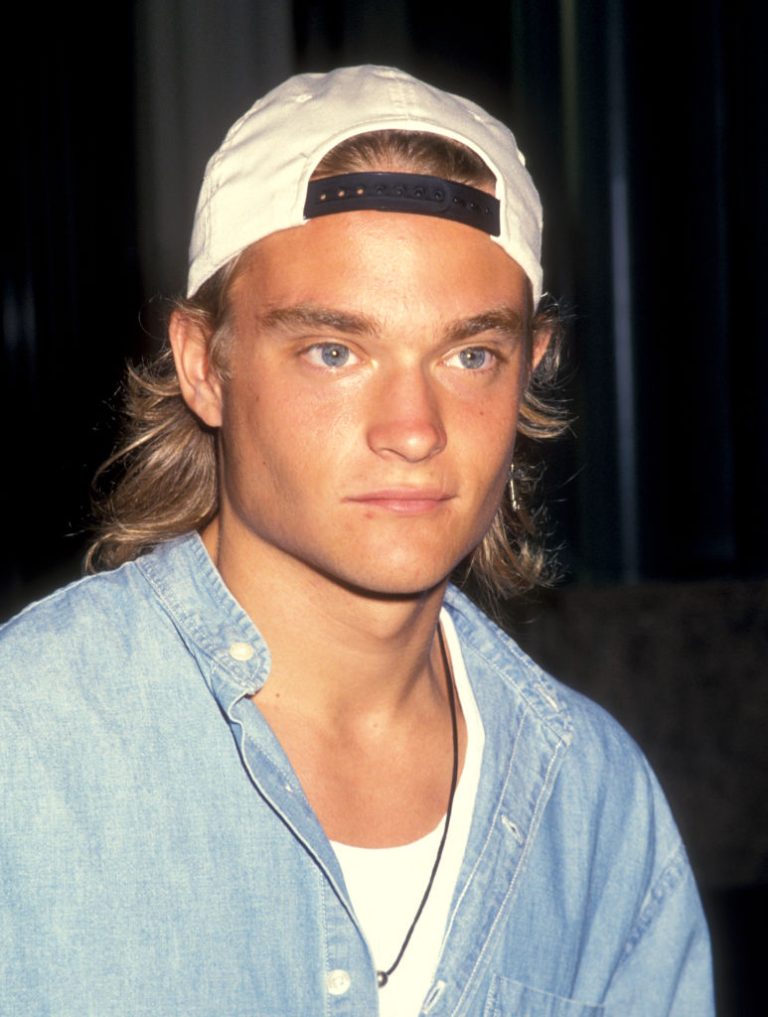
This turning point forced Chad to confront the reality of his situation. He realized that recovery would require not only abstinence from substances but a deeper engagement with understanding himself, his past, and his emotional needs. The process of healing became transformative, guiding him toward helping others who faced similar struggles.
By his early twenties, while starring on Dr. Quinn, Medicine Woman, Chad’s life was already marked by the stark juxtaposition of public success and private turmoil. Fame had offered him opportunities, wealth, and recognition, yet it had simultaneously left him isolated and emotionally vulnerable.
Coming Out Under Pressure
In 1996, Chad’s life took another dramatic turn when a U.S. tabloid published photos of him kissing another man in a hot tub at a party.
The images were allegedly provided by someone claiming to be a friend and were accompanied by fabricated rumors about his private life. Suddenly, the actor found himself outed to a national audience, a development that threatened both his career and personal relationships.
“So I was scared. Just scared,” he admitted later. He faced the intense pressure of deciding whether to deny, deflect, or embrace his sexual orientation publicly.
While some in his life were unaware, others already knew, and the dilemma became both personal and professional. Lawyers, managers, and studio executives debated strategies for “handling” him, but Chad refused to compromise his authenticity.
The cast of Dr. Quinn remained supportive, allowing him to continue performing, yet once the series ended, he encountered professional challenges. Opportunities dwindled, and the struggle for acceptance extended into every corner of his life.
“My dad couldn’t look me in the eye. And that hurt. Because a boy always wants his dad’s acceptance. And I knew I’d been lying to them,” Chad revealed.
Even familial bonds were tested, as his mother struggled to reconcile her assumptions about his personal life with the reality. While initially shocked, she eventually expressed understanding, acknowledging her assumptions about traditional relationships had been naïve.
Finding Purpose Through Community and Connection
Despite professional setbacks and familial tension, Chad discovered an unexpected form of resilience and connection: correspondence from young gay men across the United States.
Letters poured in, expressing gratitude for his visibility and openness. For the first time, he wrote back, often by hand, establishing a tangible connection with people navigating the same questions of identity, acceptance, and self-love.
“It helped me, actually, all this pressure I was getting to identify myself… It just meant so much to know I wasn’t going through it alone either. After all, what is [loving men]? There’s so much attached to it, but at the end of the day, it’s love. I’ll take it. Whatever it looks like,” he explained.
These connections underscored the importance of visibility, empathy, and shared experience, highlighting how his personal journey resonated far beyond Hollywood.
Yet coming out had immediate professional consequences. Chad shared in a 2008 interview that he “couldn’t get an audition for a pilot after that,” demonstrating the entrenched biases in the entertainment industry during that era. Despite the obstacles, his decision marked a turning point toward living authentically and prioritizing self-respect over public perception.
After years of navigating fame, personal struggle, and societal pressure, Chad Allen embarked on a journey that would redefine his life entirely. Stepping away from Hollywood in 2015 was not an act of surrender but a conscious decision to prioritize authenticity, personal growth, and meaningful contribution over fame, recognition, or public applause.
His departure marked the beginning of a transformative chapter focused on education, service, and self-actualization.
Returning to Academia and the Path to Psychology
Having spent decades under the intense scrutiny of Hollywood, Chad was acutely aware of the psychological complexities that fame, public exposure, and personal trauma could impose.
Motivated by a desire to understand human behavior more deeply and to help others facing mental health challenges, he enrolled in higher education. He pursued a Doctorate in Clinical Psychology, dedicating himself to rigorous study, research, and practical training.
Chad’s academic journey was fueled not only by intellectual curiosity but by lived experience. His years in Hollywood, his struggles with addiction, and his challenges in coming out provided him with a unique perspective on trauma, identity, and resilience.
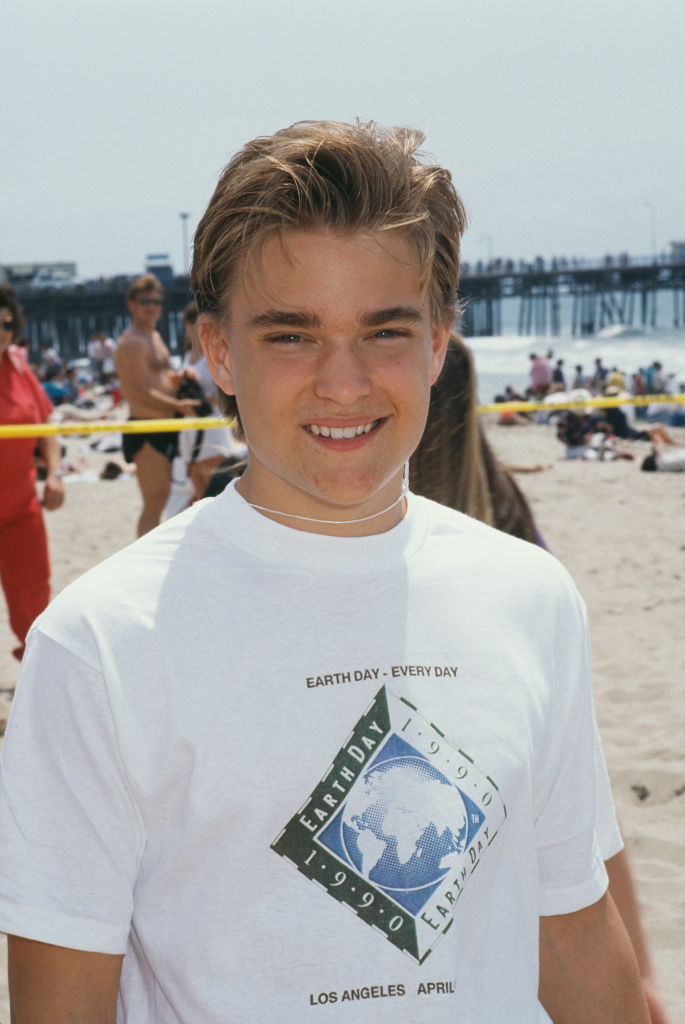
In interviews reflecting on this period, he often described his academic work as “both rigorous and deeply personal,” a space where he could merge theoretical knowledge with empathy born from personal experience.
While completing his doctorate, Chad focused on clinical methods for trauma recovery, identity exploration, and resilience building. He studied cognitive-behavioral therapy, psychoanalytic approaches, and contemporary humanistic psychology, aiming to provide holistic support to individuals navigating emotional and psychological difficulties.
His dissertation emphasized the interplay between identity formation and social perception, a topic intimately connected to his own experiences in the public eye.
Founding Confluence Psychotherapy
With his doctoral degree complete, Chad established his private practice, Confluence Psychotherapy, symbolically named to represent the meeting of two rivers — a convergence of past experience and new beginnings, self-understanding and external guidance.
In his practice, he offered individual and group therapy sessions, focusing on clients dealing with trauma, identity struggles, addiction recovery, and LGBTQ+ issues.
His approach was informed by both professional training and personal insight. Chad recognized the impact of societal pressures, stigma, and unresolved trauma, particularly on LGBTQ+ individuals navigating their identities in environments that often lacked acceptance or understanding.
By combining evidence-based therapeutic techniques with compassionate mentorship, he created a safe space for healing and self-discovery.
Confluence Psychotherapy also emphasized community and connection. Chad believed that individual healing could not occur in isolation; instead, it required social support, validation, and empathetic engagement.
Through workshops, public talks, and mentorship programs, he sought to normalize discussions about mental health, reduce stigma, and empower clients to embrace their authentic selves.
Advocacy and LGBTQ+ Leadership
Chad’s personal journey naturally extended into advocacy. Recognizing the challenges faced by LGBTQ+ individuals in both the entertainment industry and broader society, he became a vocal proponent of equality, representation, and support systems.
He publicly praised political figures such as Gavin Newsom for their efforts to legalize same-sex marriage in California, viewing these initiatives as milestones in the fight for civil rights and recognition.
He also engaged in mentorship, offering guidance to young LGBTQ+ individuals navigating the pressures of identity disclosure, bullying, or familial non-acceptance.
Chad’s own experiences — being outed in 1996, facing professional consequences, and overcoming addiction — gave him credibility and relatability. He often stated that visibility, authenticity, and self-compassion were crucial tools for survival and empowerment in an often judgmental society.
Through interviews and speaking engagements, he consistently emphasized the intersection of mental health and identity.
He urged society to understand that the challenges faced by LGBTQ+ individuals were not simply personal but systemic, often exacerbated by cultural norms, workplace discrimination, and social isolation.
Personal Transformation and Lifestyle
Away from Hollywood, Chad’s life became intentionally grounded. His daily routines focused on mental well-being, personal reflection, and connection with nature.
He frequently spoke about the restorative power of spending time outdoors, walking his dog, and meditating — practices that allowed him to remain present and resilient in the face of past trauma.
His lifestyle also reflected spiritual and ethical considerations. Raised in a devout Catholic home, Chad retained aspects of his faith, though he interpreted spirituality in a personal and expansive manner.
He expressed a belief in transcending fear, judgment, and societal expectation, framing human experience as an opportunity for growth, compassion, and understanding.
“My greatest hope is that when we die, we get to experience God and let go of all judgments and preconceived notions… Anything that comes with fear or judgment, it can’t be of God,” he remarked in interviews reflecting on his philosophy of life and work.
Healing Through Helping Others
Chad’s clinical work often involved working with clients who, like him, had faced early-life trauma, public scrutiny, or identity-based challenges. His therapeutic philosophy emphasized holistic healing, blending cognitive approaches with empathy-driven engagement.
Clients reported that his personal history — being a child star, facing public outing, struggling with addiction — allowed him to relate to their struggles in ways few clinicians could.
He also worked to educate the broader public on mental health topics, participating in podcasts, interviews, and panel discussions. His insights bridged the gap between celebrity experiences and everyday mental health challenges, making psychological concepts accessible and destigmatizing therapy for wider audiences.
Reflection on Fame and Identity
Looking back, Chad often reflected on the paradox of his early life: the boy who seemed to have everything — fame, wealth, and adoration — often felt the most invisible, trapped in a cycle of expectation and public scrutiny.
Yet those experiences, as challenging as they were, became the foundation for his empathy, insight, and dedication to helping others.
“The boy who was on every magazine cover,” he once said, “grew into the man who realized meaning is far more important than applause, and truth is far more valuable than image.”
This realization informed every aspect of his post-Hollywood life, from his clinical practice to his public advocacy and personal relationships.
Legacy and Cultural Impact
Chad Allen’s journey from child star to respected psychologist is not merely a story of personal triumph; it represents a broader cultural narrative about resilience, authenticity, and the transformative power of self-understanding.
His life illustrates how public figures navigating fame, identity, and societal pressure can reclaim agency and purpose, turning early trauma into a source of empathy and service.
By sharing his story, Chad has inspired countless individuals — particularly young LGBTQ+ people and former child actors — to pursue authenticity, prioritize mental health, and embrace personal growth. His professional work, advocacy, and personal example collectively form a legacy of courage, healing, and leadership.
Conclusion: A Life Reimagined
Today, Chad Allen lives a life defined by purpose rather than fame, authenticity rather than expectation, and healing rather than image.
His days are spent counseling patients, exploring nature, walking his dog, and advocating for mental health and LGBTQ+ rights. Hollywood’s glare is a distant memory; in its place, he has cultivated a life rich with meaning, connection, and service.
Chad’s story, stretching from child stardom to personal struggle, public outing, and ultimate transformation, serves as a testament to the resilience of the human spirit.
It underscores that true fulfillment comes not from celebrity, approval, or wealth, but from embracing one’s authentic self, cultivating empathy, and helping others navigate the complexities of life.
The boy who once appeared on every magazine cover grew into a man who chose truth over image, healing over applause, and meaning over fame — a journey that continues to inspire, educate, and guide countless others.